Birth registration and dual-nationality children's documents
A child of parents from two countries needs paperwork that works in both. There are two directions: a Thai birth certificate used abroad, and a foreign birth certificate used in Thailand. Each direction follows a different certification order.
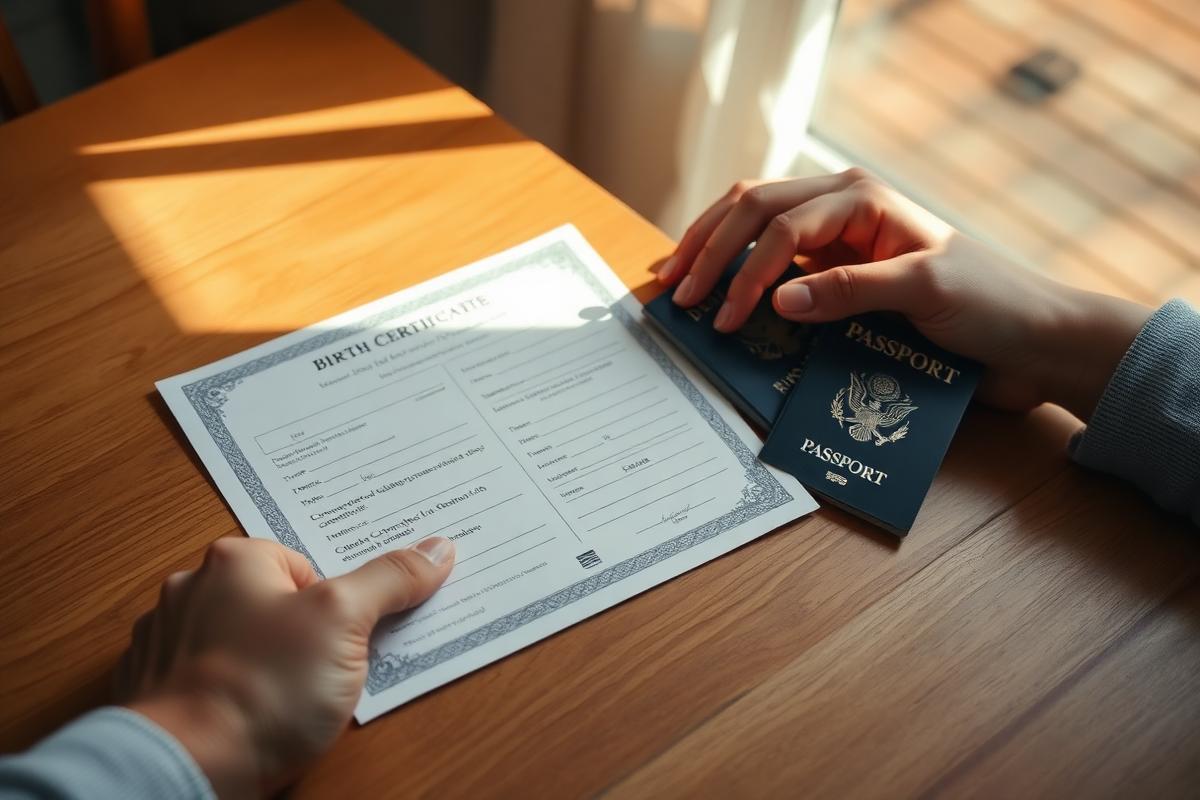
Documents to prepare
- A freshly issued certified copy of the birth certificate
- House registration listing the child
- Both parents' passports and ID cards
- The parents' marriage registration, or an acknowledgement of paternity if unmarried
- The hospital birth notification if the destination requests it
- Certified translations in the language the destination requires
Step-by-step procedure
1. Establish the direction
Thai documents going abroad, or foreign documents coming into Thailand.
2. Obtain a fresh certified copy
Recent copies carry verifiable seals.
3. Translate and check spellings
The child's and parents' names must match every passport.
4. Certify along the route
Thai documents: consular legalisation then destination embassy. Foreign documents: certification at origin before use in Thailand.
5. Register with the destination authority
For example, report the birth to the parent's embassy to obtain nationality documents and a passport for the child.
Pitfalls that get documents rejected
- A single-letter spelling difference between the birth certificate and passport restarts the process.
- Some countries impose a deadline for reporting a birth abroad; missing it adds steps.
- Unmarried parents need an additional acknowledgement of paternity.
- Plain photocopies without a fresh certification are usually refused.
Advisory notes from our team
- Prepare two parallel sets so both countries can be filed at once.
- Ask the embassy in writing which translation format it accepts.
- Keep colour scans — they are reused for dependent visa filings.
An advisory team, not just a filing agent
NYC Visa & Translation has handled cross-border documentation for over 15 years. Every case starts with the destination requirement — who receives the document, in what form, and under which certification route — before we sequence the work so it is done right the first time.
Frequently asked questions
Our child was born in Thailand to a foreign father — what is needed?
Register the birth at the local district office within the statutory period to obtain the Thai birth certificate, then add the child to the house registration. After that, handle the father's side, usually by registering the birth with that country's embassy or consulate in Thailand, supported by the Thai birth certificate translated and legalised in the form that embassy requires. Requirements differ sharply between countries, so read that embassy's own guidance before starting.
How does an unmarried parents' status affect the child's papers?
Under Thai law a child born to unmarried parents is the legitimate child of the mother; the father acquires legal rights and duties only through legitimation, either by registration at the district office with the consents the law requires, or by court judgment. This affects the child's ability to obtain the father's country's passport and to leave Thailand with him, so resolve status before booking travel or embassy appointments.
Is a travel consent letter required for a child?
Where a child travels with one parent only, or with another adult, airlines and destination immigration officers commonly request a consent letter from the other person holding parental authority, with a copy of that person's passport. If the letter is executed in Thailand for use abroad, the signature usually needs certification and legalisation through the standard chain. Prepare it well in advance: this is the document most often demanded at the check-in counter.
Can a Thai birth certificate be used abroad as issued?
Not directly. It normally needs translation into the required language, certification of the translation and legalisation at the Department of Consular Affairs, followed by a stamp at the destination country's embassy in Thailand. Once the Apostille Convention enters into force for Thailand on 28 February 2027, this chain shortens for Convention parties. Some authorities require a freshly issued certified copy, so confirm the accepted document age before commissioning the translation.
What do families most often get wrong?
The child's name spelled differently on the Thai birth certificate and the foreign passport, particularly the placement of middle names. Next, registering the birth in Thailand but missing the other country's own registration window, which then forces a late or special procedure. Third, keeping only one original birth certificate, so a fresh certified copy has to be obtained for every new authority.
How can your team help?
We sequence the documents on both the Thai and the foreign side, obtain fresh certified copies, translate and legalise to each embassy's specific format, draft travel consent letters and attend appointments with an interpreter. Our advisers have handled cross-border family files for more than 15 years and will tell you in advance where a particular embassy is strict. Send photos of the birth certificate and passports for a free pre-check.
Continue in this cluster
Prefer not to run the queues yourself? We handle it end to end.
Prefer not to handle the queues yourself, or worried about a rejection? Send us photos of your documents for a free pre-check. We handle the full chain — obtaining certified copies, translation, certification and submission — and keep you updated at each step. Reach us on LINE, phone or email during business hours.