Legal name changes — making every document match
After a change of first name, surname or title, older documents still carry the previous name, and receiving authorities treat them as belonging to a different person. The fix is a complete chain of evidence: the change-of-name certificate, house registration, passport, and certified translations that state both the former and current name.
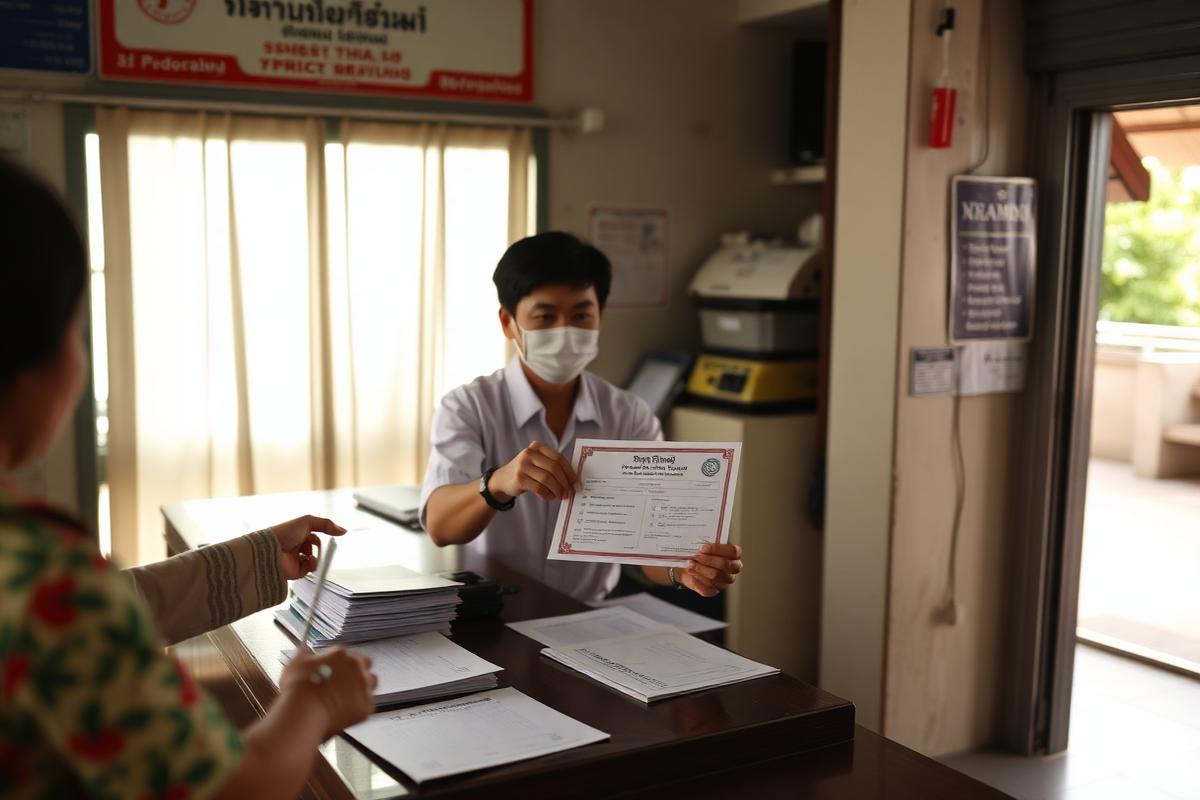
Documents to prepare
- The change-of-name or change-of-surname certificate from the district registrar
- A current house registration showing the new name
- Current ID card and passport
- Older documents still bearing the previous name (degree, marriage certificate, birth certificate)
- Marriage or divorce registration if the surname change follows a change of marital status
Step-by-step procedure
1. Map the documents
List which documents carry the old name and which the receiving authority requires.
2. Obtain a fresh certificate
A newly issued certified copy from the registrar is verifiable.
3. Translate showing both names
The translation must connect former and current names within the same document.
4. Certify along the destination route
Consular legalisation and embassy attestation, or the format the destination specifies.
5. Update downstream records
Passport, driving licence, bank and academic records should end up consistent.
Pitfalls that get documents rejected
- Submitting new-name documents without the change-of-name certificate is the most common rejection cause.
- Romanisation must match the passport exactly, not a preferred spelling.
- Degrees and transcripts are rarely reissued; the translation must bridge the names instead.
- Some countries require every historical change, not only the latest one.
Advisory notes from our team
- A one-page index showing former name to current name speeds up counter checks.
- Request the house registration and certificate in one visit.
- Prepare all certificates upfront if the name changed more than once.
An advisory team, not just a filing agent
NYC Visa & Translation has handled cross-border documentation for over 15 years. Every case starts with the destination requirement — who receives the document, in what form, and under which certification route — before we sequence the work so it is done right the first time.
Frequently asked questions
Which documents must be updated after a name change?
Work upstream to downstream. Start with the Thai ID card and house registration, then the passport, driving licence, bank accounts, insurance policies, marriage records, academic records and finally employer or immigration filings. Downstream bodies verify against upstream records, so skipping the order leaves inconsistent names across the file and forces repeat submissions. Keep the original change-of-name certificate available throughout, because most offices ask to see it rather than a copy.
Are documents issued in my former name still usable?
Yes, provided you attach the linking evidence: the official change-of-name certificate with a certified translation showing that the person named in the older document and the applicant are the same. Many foreign authorities want this as a 'one and the same person' declaration, certified and legalised through the same chain as the main document. Preparing that link at the outset substantially reduces later requests for additional evidence.
Which spelling governs when transliterating a Thai name?
Always the spelling in the passport, because that is what foreign authorities use to verify identity. Even where the Royal Institute transliteration would yield a different form, use the passport form consistently across every translation. Where an older document shows another spelling, add a translator's note stating that both refer to the same person and attach the linking evidence rather than silently harmonising the text.
How does taking a spouse's surname work after a foreign marriage?
Adopting a spouse's surname under Thai law is done at the district registrar and requires a legally recognised marriage record. If you married abroad, the marriage certificate must first be certified through the proper chain, translated into Thai and recorded as a family status entry at the registrar. Only then can the civil registry be amended and the surname changed. This sequence cannot be skipped and is where self-filers most often stall.
What causes most rejections?
Updating some documents but not the whole set, so the house registration, passport and academic records show different names on filing day. Next, translations that use a spelling other than the passport's. Third, submitting older documents without the change-of-name certificate attached. The remedy is a simple audit table listing every document and the exact name it shows, then closing the gaps before you file.
Can your team manage the whole sequence?
Yes. We map the correct order for your specific document set, prepare translations spelled exactly as your passport, draft the 'one and the same person' declaration, and run the certification chain through to the receiving authority. With over 15 years of case experience we act as advisers, telling you in advance which office will demand which link. Send document photos for a free pre-check before committing to anything.
Continue in this cluster
Prefer not to run the queues yourself? We handle it end to end.
Prefer not to handle the queues yourself, or worried about a rejection? Send us photos of your documents for a free pre-check. We handle the full chain — obtaining certified copies, translation, certification and submission — and keep you updated at each step. Reach us on LINE, phone or email during business hours.