Apostille for Thai documents — preparing for the entry into force
Thailand has acceded to the Apostille Convention, which enters into force on 28 February 2027. Until that date, Thai documents used abroad still follow the existing route: legalisation at the Department of Consular Affairs, then a further stamp at the destination embassy. Planning ahead lets you decide whether to file now or wait.
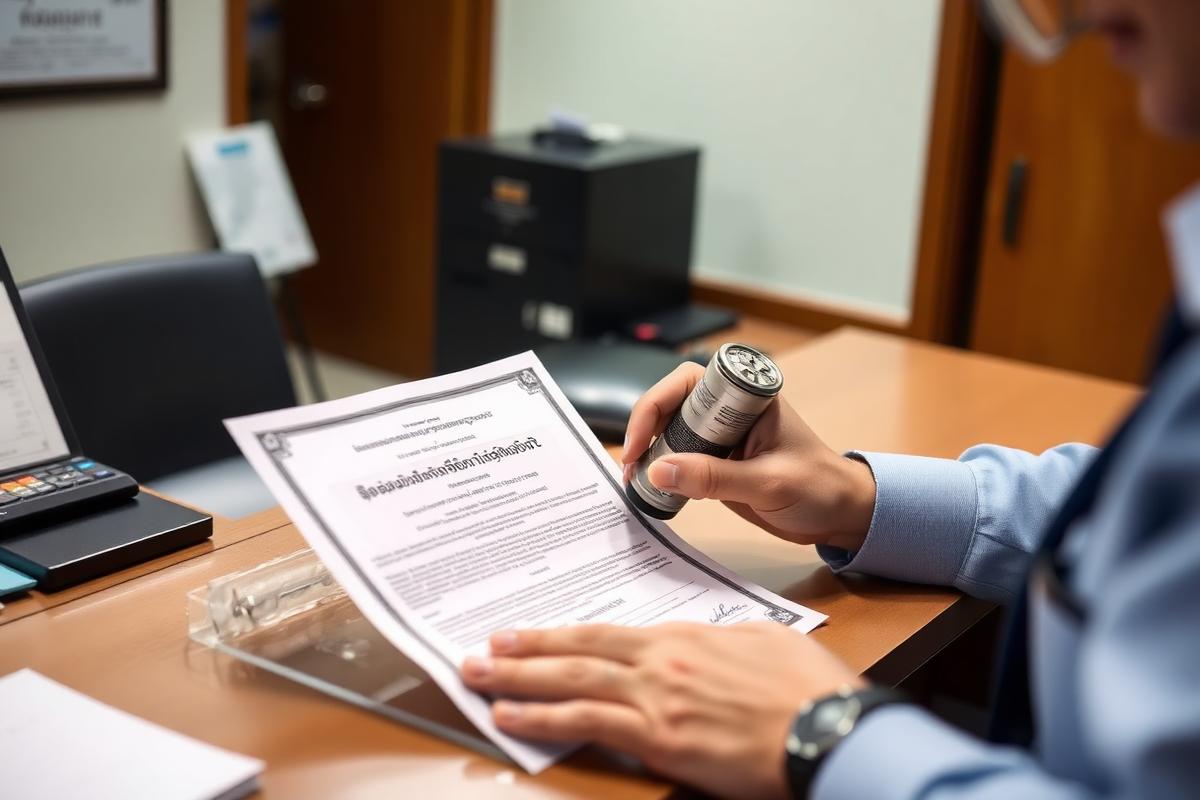
Documents to prepare
- The original or a freshly issued certified copy from the issuing office (district registrar, university, court)
- An English translation matching the original line by line, including stamps and signatures
- A copy of the document holder's passport so spellings stay consistent
- Any written requirement from the receiving authority
- A power of attorney if someone files on your behalf
Step-by-step procedure
1. Check whether the destination is a member state
Non-member states will still need consular legalisation plus embassy attestation after the entry into force.
2. Obtain a fresh certified copy
Freshly issued copies carry verifiable signatures and stamps.
3. Translate and proofread twice
Numbers, dates, authority names and passport spelling are checked by a second reviewer.
4. File under the route currently in effect
Today that means legalisation at the Department of Consular Affairs followed by the destination embassy or consulate.
5. Plan for the transition window
If your deadline sits close to 28 February 2027, prepare for both routes so travel plans are not disrupted.
Pitfalls that get documents rejected
- An apostille is not available yet — before the entry-into-force date, authorities accept only the existing legalisation route.
- An apostille certifies the signature and seal, not translation accuracy; the receiving body may still request a certified translation.
- Non-member states will continue to require embassy attestation.
- Documents issued long ago are often sent back with a request for a fresh copy.
Advisory notes from our team
- Tell us upfront if several countries are involved so one set of originals can serve them all.
- Keep colour scans of every stamped page before the documents leave Thailand.
- Ask the receiving authority in writing which certification they accept and keep the reply.
An advisory team, not just a filing agent
NYC Visa & Translation has handled cross-border documentation for over 15 years. Every case starts with the destination requirement — who receives the document, in what form, and under which certification route — before we sequence the work so it is done right the first time.
Frequently asked questions
Can I already get an apostille on a Thai document?
Not yet. Thailand has acceded to the Apostille Convention, but it enters into force on 28 February 2027. Until then, Thai documents for overseas use still follow the existing chain: legalisation at the Department of Consular Affairs, Ministry of Foreign Affairs, followed by a further stamp at the destination country's embassy or consulate. If your deadline falls near the transition, ask the receiving authority in writing which form it will accept and prepare accordingly.
After entry into force, will embassy legalisation still be required?
It depends on the destination. If the destination is a Convention party that has not objected to Thailand's accession, the apostille issued by the competent Thai authority replaces the embassy stamp. If the destination is not a party, the current legalisation-plus-embassy route continues to apply. Always check the current party list published by the HCCH and confirm with the specific receiving office, because internal rules of universities, registries and immigration bodies can be stricter than the treaty baseline.
Does an apostille certify the translation?
No. An apostille certifies only the authenticity of the signature, the capacity of the signatory and the seal on a public document. It says nothing about the content or about translation accuracy. Many receiving bodies therefore still require a translation prepared by a translator they accept. Some want the apostille placed on the source document before translation, others want the translation certified and then apostilled. Confirm the required order first: reversing it is the most common cause of rejection.
Which documents fall outside the Convention?
The Convention covers public documents such as civil registry records, court decisions, documents issued by public authorities and private documents certified by an authorised officer. Documents executed by diplomatic or consular agents, and certain commercial or customs documents, fall outside its scope. A purely private document — a power of attorney you drafted yourself, for example — must first have the signature certified by an authorised officer before it can qualify for an apostille.
Should I file now or wait until 2027?
If the document must be used before 28 February 2027, start the current route now; properly legalised documents remain usable for as long as the receiving body allows. If your use date falls after entry into force and the destination is a Convention party, waiting usually removes a step and shortens the chain. Where the timing straddles the date, prepare the underlying source documents now so you can take either route as soon as the recipient confirms the format it accepts.
How much of this can your team handle?
Our consultants have handled cross-border document chains for over 15 years and can take the matter end to end: confirming which format the destination accepts, obtaining freshly issued certified copies, translating with two-stage review so names match the passport exactly, filing for legalisation, coordinating with the destination embassy and returning the file to you. You also get advice on whether to file now or wait for the apostille route. Send photos of your documents for a free pre-check first.
Continue in this cluster
Prefer not to run the queues yourself? We handle it end to end.
Prefer not to handle the queues yourself, or worried about a rejection? Send us photos of your documents for a free pre-check. We handle the full chain — obtaining certified copies, translation, certification and submission — and keep you updated at each step. Reach us on LINE, phone or email during business hours.