Case studies
Apostille for Thai documents (transition period) — case studies
Real engagements published with client permission, including the document timeline step by step.
Real engagements published with client permission, including the document timeline step by step.
These pages describe our actual working process using material the client permitted us to publish. Decisions rest with the receiving authority in each case, so no approval outcome is guaranteed.
individual
The client needed a marital-status certificate and house registration accepted by an authority in Spain, through the correct international certification channel.
Case assessment and document plan
An adviser confirms the destination rules and sequences the work
Retrieve or reissue the originals
Certified translation with two-step review
File for certification or legalization via the correct channel
Hand over with guidance on using the set abroad
Our advisers track status daily and confirm each milestone to the client in writing.
Delivered a full certified-translation set with Department of Consular Affairs legalization, accepted for filing by the destination authority.
apostille-th
Common questions about apostille for Thai documents, before and after the Convention enters into force on 28 February 2027. (8+ search topics covered)
Need your documents reviewed or your case assessed? Ask our team by phone, LINE, or email. We reply during business hours (Mon–Fri 9:00–18:00, Sat 9:00–15:00, ICT).
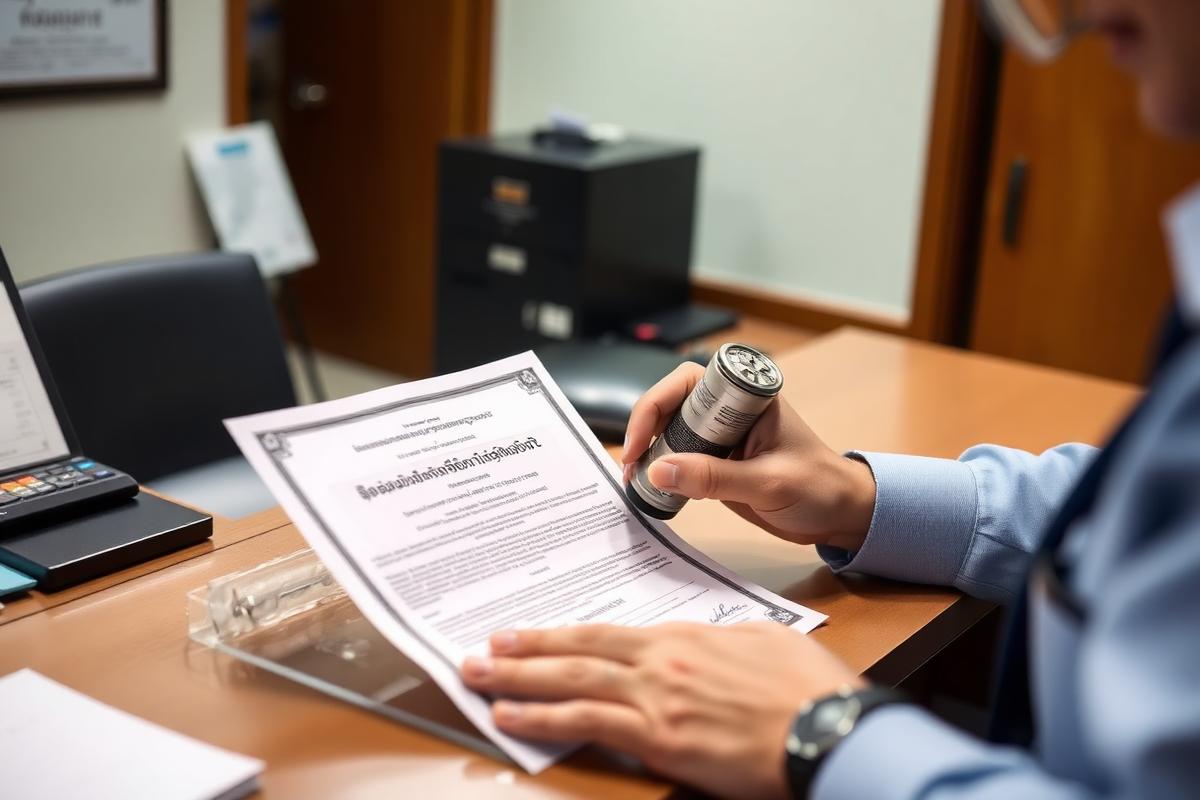
Thailand has acceded to the Apostille Convention, which enters into force on 28 February 2027. Until that date, Thai documents used abroad still follow the existing route: legalisation at the Department of Consular Affairs, then a further stamp at the destination embassy. Planning ahead lets you decide whether to file now or wait.
Prefer not to handle the queues yourself, or worried about a rejection? Send us photos of your documents for a free pre-check. We handle the full chain — obtaining certified copies, translation, certification and submission — and keep you updated at each step. Reach us on LINE, phone or email during business hours.
Apostille does not replace the existing route everywhere — it applies only between Convention parties, and only once Thailand starts issuing them.
| Route | When to use | Certifying authority | Approx. duration | Rejection risk |
|---|---|---|---|---|
| Apostille (Hague Convention 1961) | Only for Convention states — for Thai documents, Not available until 28 February 2027 | Department of Consular Affairs, MFA, as the Competent Authority | Variable, per the authority's announced service cycle | Assuming it works for every country; some receivers still require a certified translation |
| Consular legalisation + destination embassy | The destination is not a Convention party, or transition rules still apply | Department of Consular Affairs, then the destination embassy in Thailand | Variable — days to several weeks depending on embassy queues | Non-conforming translations or outdated certified copies get rejected |
| Translator-accredited route (e.g. NAATI for Australia) | The receiving authority specifies a translator standard | A translator accredited under that country's system | Variable with page count | Using an unrecognised translator means redoing the whole set |
Timelines above are practical estimates from live casework and can change with each authority's policy; confirm with the receiving authority before you plan. If you would rather not test routes by trial and error, our advisers (15+ years of casework) can assess your case and handle the whole chain for you.
Our team has worked on cross-border documents, certified translation and government liaison for over 15 years. Most rejections we see are not caused by missing paperwork but by choosing the wrong route on day one, so we always start with a case assessment.
We look at your destination, purpose and deadline, then tell you which certification route applies — and which steps you can skip.
Name spelling, consistency across documents, document age and translation format are checked before anything reaches a counter.
We sequence the steps around your appointment or travel date and flag bottlenecks in advance.
We read the refusal reasons, identify the underlying cause, and plan a resubmission that answers what the authority asked for.
Rather not learn by trial and error? Send your case details and document photos for a review — reach us on LINE, phone or email during business hours.
The Department of Consular Affairs certifies translations presented in its expected format. Self-formatted translations are frequently sent back for correction, costing a full queue cycle.
Public records such as house registration, birth and marriage certificates enter the certification chain directly. Private documents such as powers of attorney, affidavits and contracts must first be attested by a Notarial Services Attorney.
For member states the chain ends with an apostille and no embassy step is needed. For non-member states the document must continue through the destination country's embassy. Verify the current member list on the HCCH website.
Photograph or scan every page before submission and again after each stamp, so you have a reference if a document is lost in transit.
Requesting an apostille and an embassy legalization at the same time when only one is required wastes time and can raise questions at the destination. Pick the single route that matches the destination's convention status.
If a registry entry changes after the copy was issued, for example a name change or address move, the certified copy will contradict the database. Re-issue before starting.
Signature attestation is compared against the signature on the ID card or passport. A different signature style will be refused at the counter.
Bundles sealed across the binding must never be separated. Removing the staple voids the certification and the whole set has to be redone.
Requirements differ by authority and destination country and can change. Confirm current conditions with the receiving authority, or ask our team by phone, LINE or email.
These topics reflect the rules and practice of the relevant authorities and can change. Confirm with the receiving authority, or ask our team by phone, LINE or email.
One document set often moves through several stages — translation, notarial certification, legalization and finally a visa filing. The links below follow that real sequence.
Authority requirements change. Verify with the receiving authority before filing, or ask our team by phone, LINE or email.