Driving licences across borders — translation, certification and conversion
Three distinct routes exist: using a Thai licence abroad (an International Driving Permit from the Department of Land Transport), driving in Thailand on a foreign licence, and converting a foreign licence into a Thai one, which requires a certified translation and proof of residence.
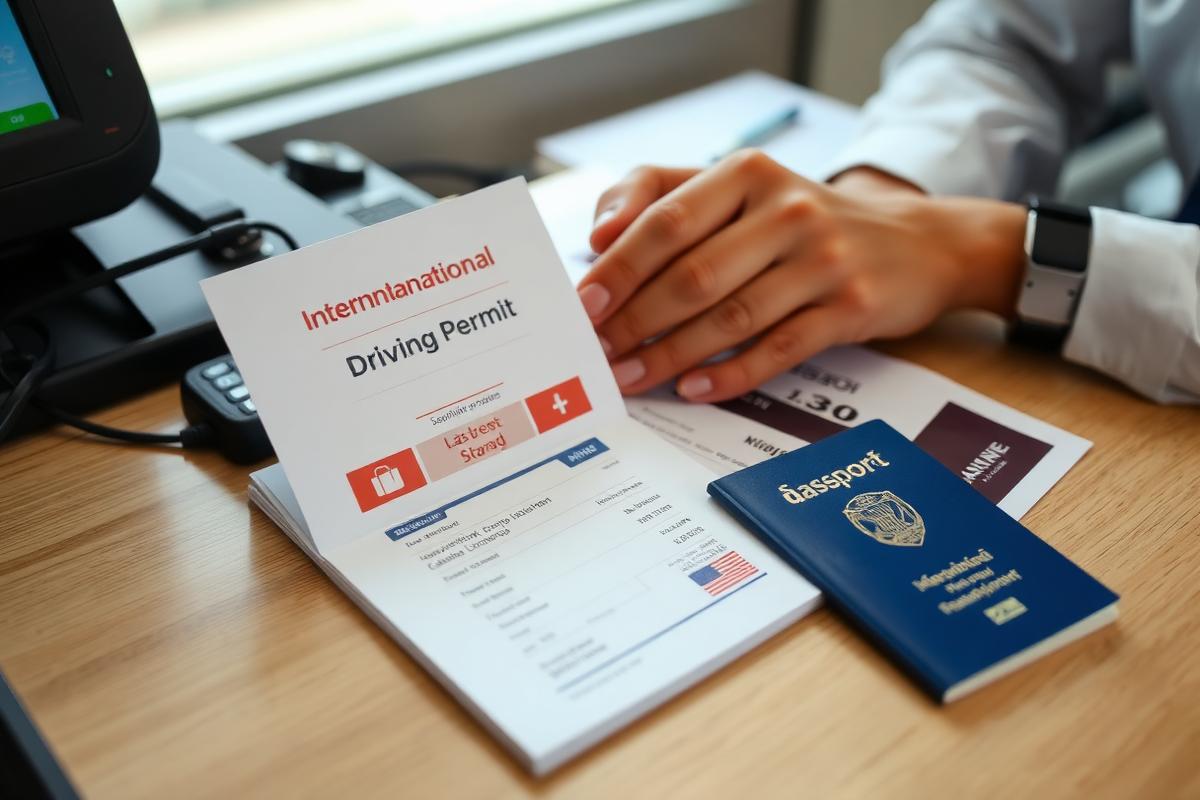
Documents to prepare
- The valid original licence plus copies of both sides
- Passport with visa page and the latest entry stamp
- A residence certificate from Immigration or your embassy
- A recent medical certificate within the period the Department of Land Transport accepts
- A certified translation of the licence into Thai or English
- Photographs in the required format
Step-by-step procedure
1. Identify the route
Driving abroad, driving in Thailand temporarily, or converting to a Thai licence — each uses a different document set.
2. Prepare the certified translation
Vehicle categories must be translated exactly as printed on the original.
3. Obtain a residence certificate
Issued by Immigration or your embassy; it has a short validity.
4. Medical check and appointment
The medical certificate must be recent; book the transport office slot in advance.
5. Attend the test and collect the licence
A physical aptitude test is standard; some cases also require a short course.
Pitfalls that get documents rejected
- An International Driving Permit never replaces the original licence — carry both.
- Residence certificates expire quickly; requesting one too early wastes the document.
- A translation that omits vehicle categories leads to the wrong licence class.
- Expired licences are generally not accepted for conversion.
Advisory notes from our team
- Send photos of both sides of the licence for a pre-check.
- Confirm accepted paperwork with your car rental company before travelling.
- Combine the residence certificate with a visa extension visit to save a trip.
An advisory team, not just a filing agent
NYC Visa & Translation has handled cross-border documentation for over 15 years. Every case starts with the destination requirement — who receives the document, in what form, and under which certification route — before we sequence the work so it is done right the first time.
Frequently asked questions
Can a foreigner drive in Thailand on a home-country licence?
Holders of an International Driving Permit issued under a convention Thailand is party to may drive here for the permit's validity period, and must carry the underlying home licence at the same time. Those holding only a national licence without an IDP face inconsistent treatment from officers and insurers. Long-stay residents therefore usually convert to a Thai licence, which removes friction at roadside checks and during insurance claims. Current requirements are published by the Department of Land Transport.
What documents are needed to convert to a Thai licence?
Typically: a passport with a valid visa and entry stamp, proof of residence in Thailand such as a residence certificate from the Immigration Bureau or a certificate from your embassy, a medical certificate issued within the accepted period, your original foreign licence, and a certified translation where the licence is not in English or Thai. Requirements vary slightly between transport offices, so verify the list with the office you intend to visit before travelling there.
Will I have to retake the driving test?
Holders of a valid, unexpired foreign licence are commonly exempted from the practical driving test, but still take the physical aptitude checks — colour vision, depth perception and brake reaction — and complete the required briefing set by the Department of Land Transport. Exemption depends on the licence class and the issuing country, so bring the original licence with its certified translation for a counter check before booking your appointment.
How do I use a Thai licence abroad?
The main route is an International Driving Permit from the Department of Land Transport, issued in the form matching the convention your destination follows; Thailand issues both the 1949 Geneva and 1968 Vienna versions. Some countries and rental companies accept a Thai licence plus a certified translation instead, but not all do. Confirm with the rental company and local authority before travelling, and always carry the original Thai licence alongside the IDP.
What causes most rejections in licence matters?
First, the name on the licence not matching the passport, especially after a name change or a different transliteration. Second, medical or residence certificates issued outside the acceptance window. Third, translations that omit the stamps, endorsement codes or licence class. The fix is to align the spelling across every document first, and to obtain fresh certificates so they are still within the window on the day you file.
Can your team handle the whole process?
Yes. We check eligibility, produce a properly certified translation of your licence, help arrange the residence and medical certificates, assemble the file to the transport office's list and can attend the appointment with an interpreter. With more than 15 years of case experience, our role is advisory as much as administrative: we tell you in advance which step is likely to trip you up. Send photos of your licence and passport page for a free pre-check.
Continue in this cluster
Prefer not to run the queues yourself? We handle it end to end.
Prefer not to handle the queues yourself, or worried about a rejection? Send us photos of your documents for a free pre-check. We handle the full chain — obtaining certified copies, translation, certification and submission — and keep you updated at each step. Reach us on LINE, phone or email during business hours.