ข้ามไปเนื้อหาหลัก / Skip to main content
N
NYC Visa.
Visa & Translation
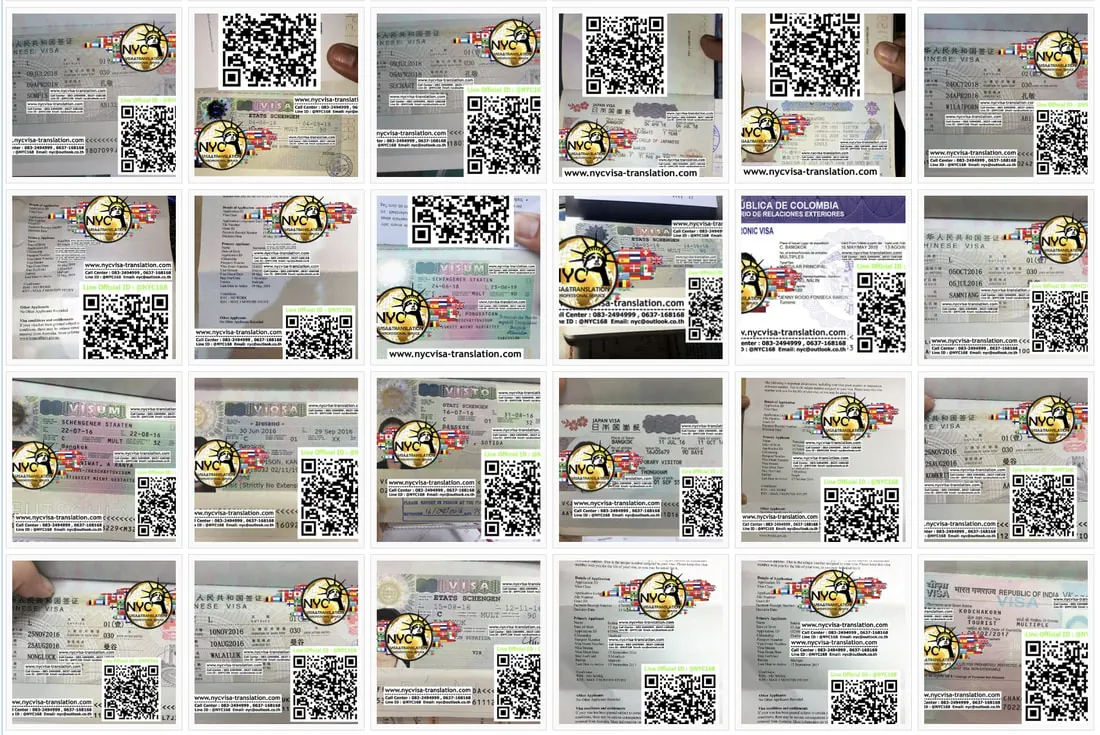
ตัวอย่างวีซ่าประเภทธุรกิจที่ได้รับอนุมัติ
Withholding Tax · PND91 · Revenue Department · 💎 LTR Visa — 17% Flat Tax (Highly-Skilled Professional)

WHT / PND91 · 💎 LTR Visa — 17% Flat Tax (Highly-Skilled Professional)

💎 LTR Visa — 17% Flat Tax (Highly-Skilled Professional) · NYC สอบถามเจ้าหน้าที่เพื่อรับใบเสนอราคา all-in

ข้อมูลสำคัญ · Entity Panel
Rate
17% flat on §40(1) Thai-sourced income (no progressive bracket)
Form
PND90 with LTR election (Royal Decree 743 §4)
Deadline
31 March (online: 8 April); election made on first return
§40 Class
§40(1) Thai-source salary only; foreign-source income remitted is EXEMPT
Penalty
Loss of 17% election if conditions breached — back-taxed at progressive rate + interest
Service fee
สอบถามเจ้าหน้าที่เพื่อรับใบเสนอราคา

💎 LTR-HSP 17% flat — NYC สอบถามเจ้าหน้าที่ all-in · saves สอบถามเจ้าหน้าที่เพื่อรับใบเสนอราคาM/yr vs 35% bracket · PND90 + election filing

LTR Visa — 17% Flat Tax (Highly-Skilled Professional) falls under §40(1) Thai-source salary only; foreign-source income remitted is EXEMPT of the Thai Revenue Code. Filing party: LTR-HSP holder + BOI-listed target-industry employer.

Rate: 17% flat on §40(1) Thai-sourced income (no progressive bracket). Deductions/credits: None against the 17% flat rate (already concessionary); personal allowances forfeited.

Penalty for late/incorrect: Loss of 17% election if conditions breached — back-taxed at progressive rate + interest — can block visa/work-permit renewal.

NYC handles calculation + e-Filing via RD portal + 50bis certificates + free RD audit response — flat สอบถามเจ้าหน้าที่เพื่อรับใบเสนอราคา.
Form

PND90 with LTR election (Royal Decree 743 §4)

Rate

17% flat on §40(1) Thai-sourced income (no progressive bracket)

Deadline

31 March (online: 8 April); election made on first return

Deductions / credits

None against the 17% flat rate (already concessionary); personal allowances forfeited

17%
Rate
สอบถามเจ้าหน้าที่เพื่อรับใบเสนอราคา
Service fee
7d
Refund
61
DTA
HowTo · ขั้นตอน

How to file LTR Visa — 17% Flat Tax (Highly-Skilled Professional)

  1. 1

    50bis certificates / payslips / deduction receipts

  2. 2

    NYC computes per 17% flat on §40(1) Thai-sourced income (no progressive bracket) + None against the 17% flat rate (already concessionary); personal allowances forfeited

  3. 3

    Submit via RD portal · PND90 with LTR election (Royal Decree 743 §4) · before 31 March (online: 8 April); election made on first return

  4. 4

    Bill Payment QR / refund via PromptPay within 7 working days

  5. 5

    Keep records 5 years for RD audit (Revenue Code §19)

FAQ

FAQ · LTR Visa — 17% Flat Tax (Highly-Skilled Professional)

What rate applies to LTR Visa — 17% Flat Tax (Highly-Skilled Professional)?

17% flat on §40(1) Thai-sourced income (no progressive bracket)

Which form?

PND90 with LTR election (Royal Decree 743 §4)

When is it due?

31 March (online: 8 April); election made on first return

Who must file?

LTR-HSP holder + BOI-listed target-industry employer

Income class?

§40(1) Thai-source salary only; foreign-source income remitted is EXEMPT

What deductions?

None against the 17% flat rate (already concessionary); personal allowances forfeited

Late penalty?

Loss of 17% election if conditions breached — back-taxed at progressive rate + interest

Refund timeframe?

PromptPay 7 working days / bank transfer 14 days · 3-year statute

How does NYC help?

All-in สอบถามเจ้าหน้าที่เพื่อรับใบเสนอราคา: calc + e-Filing + 50bis + RD audit response

Legal reference?

Royal Decree 743 B.E. 2565 §4 + BOI LTR-HSP target industries

How to file LTR Visa — 17% Flat Tax (Highly-Skilled Professional) — rate & deadline?

💎 LTR Visa — 17% Flat Tax (Highly-Skilled Professional) · NYC สอบถามเจ้าหน้าที่เพื่อรับใบเสนอราคา all-in

💎 LTR Visa — 17% Flat Tax (Highly-Skilled Professional) e-Filing · 50bis · RD audit
Service Knowledge Base

Thai tax, accounting and double tax agreements — practical answers

First-party answers on the 180-day Thai tax residence test, foreign-sourced income remitted into Thailand, personal and corporate filings, statutory accounting under the Accounting Act B.E. 2543, and claiming double tax agreement relief — grounded in the Revenue Code and Revenue Department guidance. General information only, not a case-specific tax ruling. Our staff quote fees per matter by phone, LINE or email. (19+ search topics covered)

What taxes arise when selling a Thai condominium?

At registration of transfer at the Land Office there is generally a transfer fee, withholding income tax computed under Revenue Code rules, and either specific business tax or stamp duty depending on holding period and the nature of the sale. Actual amounts depend on the appraised value, the sale price and the years held, so let our staff compute from the title deed or condominium ownership certificate before the transfer appointment.

How is land and building tax assessed?

Under the Land and Building Tax Act B.E. 2562, the local administrative organisation where the property is located collects an annual tax based on use category: agricultural, residential, other use, or vacant land. The base is the official appraised value, while rates and reliefs are set by subordinate legislation that is revised from time to time, so confirm the notice in force for that year with the local authority.

What is the Thai corporate income tax rate?

The standard rate is 20% of net taxable profit, with a half-year return (PND.51) and an annual return (PND.50). Reduced rates apply to qualifying small and medium enterprises under the royal decrees in force, and BOI-promoted activities may enjoy exemptions or reductions under their promotion certificate. Check the entity's specific status before computing.

What are a Thai company's annual accounting obligations?

The Accounting Act B.E. 2543 requires juristic persons to keep accounts, close financial statements for each accounting period and have them audited by a licensed auditor. The statements are then approved by shareholders and filed with the Department of Business Development, while the annual corporate income tax return PND.50 is filed with the Revenue Department within the statutory deadline.

When is VAT registration required?

A business whose VATable turnover from goods or services exceeds สอบถามเจ้าหน้าที่เพื่อรับใบเสนอราคา.8 million per year must register for VAT with the Revenue Department within the prescribed period. The current rate is 7%, maintained by royal decrees renewed periodically. Registered operators must issue tax invoices, keep input and output VAT reports, and file monthly PP.30 returns.

Can I get a Thai certificate of residence for treaty purposes?

Yes, if you meet the Thai tax residence test and have filed Thai returns, you can apply to the Revenue Department for a certificate of residence (form R.O.22) to claim treaty benefits abroad. Supporting documents commonly include your passport with entry and exit stamps, evidence of your stay, and proof of Thai filings and tax paid.

How do double tax agreements help?

A DTA allocates taxing rights between Thailand and the other contracting state and can reduce withholding rates or allow a credit for tax paid abroad. Claiming relief normally requires a certificate of residence issued by the tax authority of the residence state, together with evidence of the income type. The Revenue Department publishes the list of treaties currently in force for Thailand.

Is foreign income taxed in Thailand?

Section 41, paragraph 2 of the Revenue Code taxes a Thai tax resident on foreign-sourced income when that income is brought into Thailand. The Revenue Department issued Departmental Instructions Por. 161/2566 and Por. 162/2566 setting out how this is applied, covering assessable income arising from 1 January 2024 onwards. Outcomes vary with the year the income arose, the year of remittance and any treaty relief, so documents should be reviewed before filing.
Topics covered
ภาษีธุรกิจและบัญชี: จดทะเบียนภาษีมูลค่าเพิ่ม 1.8 ล้าน · ภ.ง.ด.50 ภ.ง.ด.51 · ปิดงบการเงิน นำส่ง DBD · ผู้สอบบัญชีรับอนุญาต · corporate income tax thailand 20%
ภาษีที่ดินและอสังหาริมทรัพย์: ภาษีที่ดินและสิ่งปลูกสร้าง 2562 · property tax thailand foreigner · ภาษีจากการขายคอนโด · ค่าธรรมเนียมโอนกรมที่ดิน
สถานะผู้เสียภาษี: ผู้มีถิ่นที่อยู่ทางภาษีไทย 180 วัน · thai tax resident 180 days · เงินได้จากต่างประเทศนำเข้าไทย · ป.161/2566 ป.162/2566 · เลขประจำตัวผู้เสียภาษีชาวต่างชาติ
Official references

Need your documents reviewed or your case assessed? Ask our team by phone, LINE, or email. We reply within two hours during business hours (Mon–Sat 9:00–18:00 ICT).

Example of an approved business-category visa
Example of an approved business-category visa — Service illustration; requirements depend on the document and receiving authority
Service Playbook

Tax documents and Double Tax Agreement (DTA) claims

Claiming DTA relief usually requires a Certificate of Residence (R.O.22) from the Thai Revenue Department together with consistent income evidence, and the translation often has to be certified before use abroad.

Documents to prepare

  • • Certificate of Residence (R.O.22)
  • • Withholding tax certificate (R.O.21) where tax paid must be evidenced
  • • Filed returns: PND.90/91 for individuals or PND.50 for companies
  • • Passport / ID and evidence of days present in Thailand
  • • Contracts or documents showing the source of income

Step-by-step process

  1. 1. Confirm residence status — Verify that the day-count threshold is met for the tax year claimed.
  2. 2. Apply for R.O.22 — File the application with the Revenue Department together with income and filing evidence.
  3. 3. Align the supporting set — Figures in the returns, contracts and payment evidence must match.
  4. 4. Translate and certify — Where the destination requires another language, certify the translation at the Department of Consular Affairs.
  5. 5. Final legalization — Apostille or destination embassy, per the receiving tax authority's rules.

Pitfalls and rejection causes

  • • The tax year on the R.O.22 must match the year claimed, or the whole file is refused.
  • • Mismatches between filed figures and payment evidence trigger requests for more documents.
  • • Some countries require their own form signed by the Thai Revenue Department, not only the R.O.22.

Tips from our team

  • • Ask the receiving tax authority first whether it wants the R.O.22 or its own country form.
  • • Allow for Revenue Department processing queues, especially early in the tax year.
  • • Keep certified copies for the following year to avoid repeating the work.

Prefer not to handle the queues yourself, or worried about a rejection? Send us photos of your documents for a free pre-check. We handle the full chain — obtaining certified copies, translation, certification and submission — and keep you updated at each step. Reach us on LINE, phone or email during business hours.

Route Comparison

Comparing cross-border tax routes

Tax residence, treaty relief, and foreign tax credits are separate mechanisms; using the wrong one leads to double taxation.

RouteWhen to useCertifying authorityApprox. durationRejection risk
Certificate of tax residence (R.O.21 / R.O.22)You must prove Thai tax residence to a foreign tax authorityThe Revenue DepartmentVariable, depending on how complete your filed returns areMissing returns for the referenced year block issuance
Claim relief under a double tax agreementYou earn income from a country with a treaty with ThailandThe Revenue Department and the counterpart tax authorityVariable, per the mechanism that country appliesAssuming a treaty exempts all tax — most allocate taxing rights or grant a credit
Refund of over-withheld taxWithholding exceeded the treaty rateThe tax authority of the withholding countryHighly variable — often several monthsMissing the refund filing deadline forfeits the claim

Timelines above are practical estimates from live casework and can change with each authority's policy; confirm with the receiving authority before booking travel. If you would rather not test routes by trial and error, our advisers can assess which route fits your case.

Advisory Service

We do not just process documents — we advise you through the whole case

Our team has worked on cross-border documents, certified translation and government liaison since 2015. Most rejections we see are not caused by missing paperwork but by choosing the wrong route on day one, so we always start with a case assessment.

Route assessment

We look at your destination, purpose and deadline, then tell you which certification route applies — and which steps you can skip.

Pre-submission review

Name spelling, consistency across documents, document age and translation format are checked before anything reaches a counter.

Timeline planning

We sequence the steps around your appointment or travel date and flag bottlenecks in advance.

Rejection recovery

We read the refusal reasons, identify the underlying cause, and plan a resubmission that answers what the authority asked for.

Rather not learn by trial and error? Send your case details and document photos for a review — reach us on LINE, phone or email during business hours.

Practical Q&A

Practical questions · Near me / DIY / Required documents

Where do I lodge a visa application — must I go to the embassy?

The submission channel depends on the destination and visa category: an embassy, an application centre or an online system. Check the official instructions before booking. Our only office is at Ladprao 95, Bangkok; we help review documents and appointment requirements. Biometrics or an interview may require personal attendance. NYC is not an application centre or a visa decision-maker.

Can I apply myself, or do I need an agency?

Many visa categories allow direct applications; check the destination and category-specific rules, and no agent can guarantee approval because the decision is at the consular officer's discretion. The value of assistance is assembling the file exactly to the official checklist, correct translation and certification format, and a focused cover letter.

What are the baseline documents?

Typically a passport with the validity and blank pages the destination requires, the completed application form, photos to the destination's specification, financial evidence for the stated period, proof of employment or study, travel and accommodation plans, and health insurance where required. Always follow that embassy's official checklist, as requirements differ by country.
Practical advice & cautions

Accounting, tax and payroll: advice and cautions

Before you start
  • Follow the correct procedure for double tax agreements

    Claiming DTA relief normally requires a certificate of tax residence from the treaty country plus supporting documents specified by the Revenue Department. Allow time for issuance.

  • Map statutory duties at the start of the year

    Financial statements to the DBD, tax filings to the Revenue Department and social security contributions are separate obligations with separate deadlines. Build one combined calendar.

  • Align foreign-employee payroll with the work permit

    Social security registration, withholding tax and work permit conditions must be consistent. Mismatched job titles can affect both tax and immigration files.

  • Retain original records for the statutory period

    Tax invoices, receipts and accounting support must be kept for the period required by accounting law and the Revenue Code. Scans alone may not satisfy an audit.

Common reasons documents get rejected
  • Assuming tax paid abroad removes the Thai filing duty

    Filing obligations and treaty relief are separate questions. Confirm residency status and the applicable treaty terms before concluding.

  • Mixing personal and company accounts

    Shared accounts make business expenses hard to prove and are a frequent audit issue.

  • Relying on undated figures from general articles

    Rates and thresholds change. Always cite the current Revenue Department announcement rather than an undated blog figure.

  • Filing on time but without supporting evidence

    Returns filed without verifiable documentation can lead to queries and later assessments.

Requirements differ by authority and destination country and can change. Confirm current conditions with the receiving authority, or ask our team by phone, LINE or email.

What people search for

Frequently searched topics about accounting, tax and payroll

Filing financial statements with the DBD
This is separate from tax filing and has its own deadline; maintain one combined calendar.
Thai tax residency
Residency depends on days present in the tax year under the Revenue Code; establish status before planning.
Social security for foreign employees
Job title and salary data must align with the work permit and withholding tax records.
Double tax agreements
Relief normally requires a certificate of tax residence from the treaty country plus documents specified by the Revenue Department.

These topics reflect the rules and practice of the relevant authorities and can change. Confirm with the receiving authority, or ask our team by phone, LINE or email.

Related services

What clients usually handle next

One document set often moves through several stages — translation, notarial certification, legalization and finally a visa filing. The links below follow that real sequence.

External authority references

Authority requirements change. Verify with the receiving authority before filing, or ask our team by phone, LINE or email.

Choosing a Thai visa consultant as a foreign national

Choose a Thai visa consultant by how well they match a visa category to your actual situation and long-term plan, not by the fastest route in. Ask them to explain the conditions for maintaining status after approval, including 90-day reporting and re-entry permits, and to separate government fees from their service fee.

How to evaluate a provider

  • Matches the category to your real situation — The wrong category at the start can make later extensions impossible.
  • Explains status-maintenance obligations — 90-day reporting, re-entry permits and financial conditions affect every extension.
  • Separates government fees from service fees — You should know which part the state collects.
  • Tracks regulatory changes — Newer long-stay categories are revised periodically.
  • Plans the extension from day one — Extensions depend on evidence gathered during the first period of stay.

Questions to ask before you commit

  1. How many working days does it actually take, counted from a complete file?
  2. If the receiving authority rejects or asks for changes, do you correct it, and under what terms?
  3. How can I track status, and who physically holds the original documents?
  4. Which visa category fits my situation and my long-term plan?
  5. After approval, what must I do to maintain status and qualify for an extension?

Your options, and who each suits

OptionBest forWhat to know
Apply yourselfApplicants comfortable reading official notices with complete documentsYou must track condition changes and reporting deadlines yourself.
Consultant for the first application onlyNew arrivalsPlan the extension path at the first application, not near expiry.
Ongoing annual supportLong-stay residents and familiesDefine whether reporting and extensions are inside the scope.

FAQ on choosing a provider

Which Thai visa consultant is recommended?
Choose one that identifies the category matching your actual situation, explains the post-approval conditions such as 90-day reporting and re-entry permits, and clearly separates government fees from the service fee. Ask how the first application sets up your future extensions.
Can I change visa category later?
Some categories can be changed in-country, while others require a fresh application at a Thai embassy abroad. That is why the category should match your long-term plan from the first application rather than the quickest available entry.

แหล่งอ้างอิงทางการ · Authoritative Sources

  1. Thai Revenue Department — WHT rates + e-Filing portal
  2. Revenue Code (Thai) — §§40, 50, 56, 70, 70bis
  3. Por.4/2528 (Director-General Order) — Withholding tax rates schedule
  4. BOI LTR Visa — Royal Decree 743 — 17% flat tax for HSP (§4)
  5. https://ltr.boi.go.th — Royal Decree 743 B.E. 2565 §4 + BOI LTR-HSP target industries