ข้ามไปเนื้อหาหลัก / Skip to main content
N
NYC Visa.
Visa & Translation
Documents for · Destination · 🇨🇦 Canada

Sworn Translator — Embassy-Registered · Canada 🇨🇦

Sworn Translator — Embassy-Registered engineered specifically for Canada 🇨🇦 applications. NYC Visa has processed 1,500+ Canada cases via IRCC · Global Affairs Canada · Provincial Nominee Programs pipelines and knows every แคนาดาประจำประเทศไทย requirement end-to-end.

ข้อมูลสำคัญ · Entity Panel
Receiving authority
IRCC · Global Affairs Canada · Provincial Nominee Programs
Embassy / Consulate
แคนาดาประจำประเทศไทย
ISO
CA
Hague Apostille
Yes
Document language
English / French (Certified Translation with affidavit)
Visa categories covered
7+ classes

Filing documents into Canada has destination-specific quirks. IRCC · Global Affairs Canada · Provincial Nominee Programs requires every document translated into English / French (Certified Translation with affidavit) by a registered translator, notarised by a Notary Public, then legalised by Thailand's MFA Department of Consular Affairs before stamping at the แคนาดาประจำประเทศไทย in Bangkok. Canada is a Hague Apostille party, but since Thailand is NOT, Thai-issued documents still need full MFA + embassy legalization.

บริการจัดส่ง ECA Package ครบถ้วน — แปลรับรองตามมาตรฐาน WES/ICAS/IQAS พร้อม Notary และ MFA Legalization ส่ง courier ตรงถึงสำนักงาน WES ในแคนาดา — Our Sworn Translator — Embassy-Registered team has filed 1,500+ Canada cases in the past 3 years. Outcomes remain at the sole discretion of the embassy or authority., and knows the red flags IRCC · Global Affairs Canada · Provincial Nominee Programs scrutinises (document ordering, signature format, double-apostille, embassy stamp placement).

Clients using our Sworn Translator — Embassy-Registered for Canada typically file for: Visitor Visa (TRV), Study Permit, Work Permit, Express Entry (FSW/CEC/FST) — frequent documents: Birth certificate, Marriage certificate, Police clearance (RCMP/Thai), ECA (WES/ICAS), IELTS/CELPIP results. We assemble the entire pack with a destination-appropriate cover letter and certified translation in the format IRCC · Global Affairs Canada · Provincial Nominee Programs expects.

Sworn Translator — Embassy-Registered workflow for Canada: (1) Send document images via LINE @nycvisa or email. (2) Receive a quote in 30 minutes specifying translation language. (3) Translation by registered translator (NAATI / Sworn / Notary). (4) Notary Public certification by Thai attorney. (5) MFA legalization at Chaeng Wattana. (6) Canada embassy stamp in Bangkok. (7) Courier delivery + VAT invoice + cloud backup.
Visa categories covered
Visitor Visa (TRV)
Study Permit
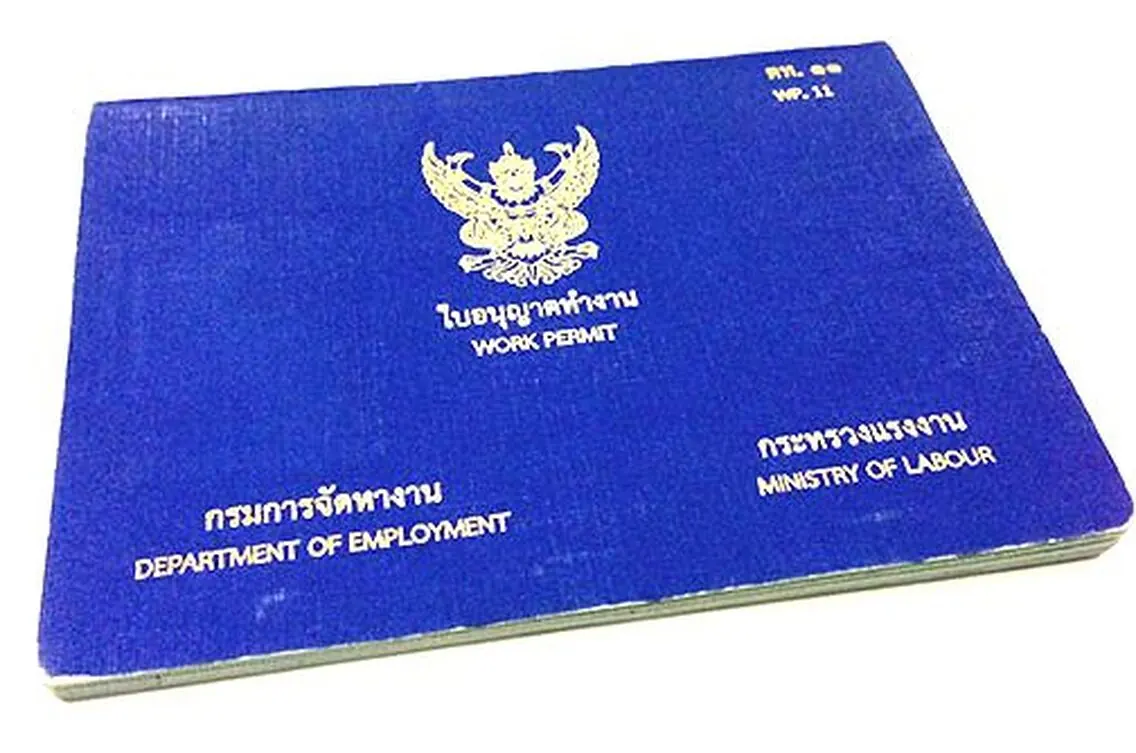
Work Permit
Express Entry (FSW/CEC/FST)
Provincial Nominee
Spousal Sponsorship
Super Visa
Documents you'll typically need
Birth certificate
Marriage certificate
Police clearance (RCMP/Thai)
ECA (WES/ICAS)
IELTS/CELPIP results
Proof of funds
Custody documents
1,500+
Cases delivered
5–10d
Standard turnaround
12+
Languages supported
HowTo · ขั้นตอน

How to use Sworn Translator — Embassy-Registered for Canada

  1. 1

    Specify the Canada visa class and upload images via LINE @nycvisa or email.

  2. 2

    Within 30 minutes — translation language (English / French (Certified Translation with affidavit)), copies, turnaround.

  3. 3

    Registered translator producing the format IRCC · Global Affairs Canada · Provincial Nominee Programs accepts.

  4. 4

    Notary Public → MFA Department of Consular Affairs → destination embassy.

  5. 5

    Filed at แคนาดาประจำประเทศไทย or VFS/TLScontact. Couriered back with full VAT invoice.

FAQ · AEO Block

FAQ · Sworn Translator — Embassy-Registered for Canada

AI Answer Box และ Google SGE มักดึงคำตอบจากบล็อกนี้ไปแสดง

What translation language does Canada require?

IRCC · Global Affairs Canada · Provincial Nominee Programs accepts documents translated into English / French (Certified Translation with affidavit). NYC Visa employs translators registered with the relevant authority.

Is Canada a Hague Apostille country?

Canada is a Hague party, but Thailand is not 2500 so Thai-issued documents still need full MFA + embassy legalization before use in Canada.

How long does it take?

Sworn Translator 2500 Embassy-Registered for Canada standard turnaround: 5–10 business days (translation 1–3 + Notary 1 + MFA 2–3 + Embassy 1–3). Express tracks available.

Starting price for Sworn Translator — Embassy-Registered to Canada?

Pricing is quoted per case (ask our staff) per standard pack. Share document count and visa subclass for an exact quote (includes embassy fees + courier).

Can clients outside Bangkok file for Canada?

Yes 2500 nationwide pickup and return. All MFA + embassy steps happen in Bangkok; no client travel required.

Refund if the Canada embassy rejects?

We guarantee acceptance per IRCC · Global Affairs Canada · Provincial Nominee Programs standards. If rejection is due to our error, we re-process free and refund government fees actually paid.

Why Choose NYC Visa & Translation

How to choose the right Sworn Translator — Embassy-Registered provider in Thailand

Choosing the right Sworn Translator — Embassy-Registered provider directly impacts the success and turnaround of your case. NYC Visa & Translation has worked with European Union embassies in Thailand (France, Germany, Italy, Spain, Belgium, Switzerland, Netherlands, Austria) since 2010, handling a broad real-world caseload across government documents, certified translations, and documents intended for use abroad. Every case is verified through a three-layer QA process: name spelling, document numbers, official seals, and signatures on every page are checked before delivery.

Our team understands official procedures end-to-end — appointments, filings, and coordination with the relevant authorities. You do not have to travel back and forth or risk rejection. Our Sworn Translator — Embassy-Registered service supports Express handling that completes in half the standard turnaround.

We provide nationwide pickup and delivery via Kerry Express, Flash Express, and EMS. Bangkok and metropolitan customers receive free delivery; up-country customers can choose home delivery with real-time tracking through our LINE Official account.

Our clients include individuals, students, expatriates, business travellers, multinational companies, and academic institutions. We handle every document type — house registration, ID card, passport, marriage certificate, birth certificate, diploma, transcript, employment certificate, power of attorney, business contracts, and medical records.

Our Sworn Translator — Embassy-Registered workflow runs in six clear stages: (1) receive originals and copies, (2) QA-audit the source for issues that would cause rejection, (3) translate through a native-speaker linguist, (4) certify with the authority required by the receiving country, (5) file and follow up at each government touchpoint, and (6) deliver plus retain a signed PDF you can re-download for five years. A single Case Officer owns your file end-to-end, eliminating hand-off errors that plague larger firms.

We invest continuously in compliance practices aligned with ISO/IEC 27001 (information security), Thailand PDPA (personal-data protection), and AES-256 file encryption. Every upload runs over TLS 1.3 only. Enterprise and law-firm clients can request an NDA before intake — our legal team signs same-day.

Beyond single-document work, we bundle end-to-end packages for clients preparing multiple certificates at once — e.g. a "moving abroad" bundle (house registration + birth + marriage + diploma + transcript with MFA + embassy) that reduces the number of trips and total lead time versus filing each item separately. Approval remains at the discretion of the receiving authority; contact our team for scope and fees.

What sets us apart is a 15-year direct working relationship with the destination authority — European Union embassies in Thailand (France, Germany, Italy, Spain, Belgium, Switzerland, Netherlands, Austria) — so we anticipate regulation changes, format tweaks, and queue timing before they hit your case, and brief you in advance. Approval outcomes always remain at the sole discretion of the authority; what we control is document completeness, formatting and lodgement timing.

Glossary
Notarial Services Attorney
An attorney licensed by the Lawyers Council of Thailand to certify signatures and document copies.
MFA Legalization
Authentication by Thailand's Ministry of Foreign Affairs for documents to be used overseas.
Apostille
International authentication system under the Hague Convention. Thailand is not a member, so MFA legalization is used instead.
NAATI
Australia's national accreditation authority for translators — required for visa and employment applications in Australia.
Police Clearance
A certificate from the Royal Thai Police, required for visa and overseas employment applications.
Certified Translation
A translation certified to match the original, by an accredited translator or notary public.
Case Officer
A dedicated coordinator who owns your file across translation, certification, and government touchpoints.
Chain Legalization
The sequential chain: source authority → Thai MFA → destination embassy, required for the document to be enforceable abroad.
Sworn Translator
A court-sworn linguist authorised to self-certify translations in many European jurisdictions.
Certified True Copy
A copy certified by the document owner or a Notary Public to stand in for the original.
Pre-submission checklist
  • Original document is clean, unbroken, and legible
  • Name matches your passport exactly
  • All seals and signatures present on every page
  • Target language for certification specified
  • Destination country and receiving authority specified
  • Allow 5–7 business days for standard processing
  • Check document expiry — some countries accept only 3–6 months old
  • Prepare ID/passport copy for the person granting power of attorney
  • Arrange documents in the order required by the receiving authority
  • Have payment method and shipping address ready before intake

Sworn Translator — Embassy-Registered for Canada — what's required?

Sworn Translator — Embassy-Registered engineered specifically for Canada 🇨🇦 applications. NYC Visa has processed 1,500+ Canada cases via IRCC · Global Affairs Canada · Provincial Nominee Programs pipelines and knows every แคนาดาประจำประเทศไทย requirement end-to-end.

🇨🇦 Canada SLA Guarantee
Service Knowledge Base

Court-ready documents & Ministry of Justice paperwork — client questions

Answers on translations and certifications for use in Thai and foreign court proceedings — translation format, attorney attestation, onward MFA legalisation and preparing a complete bundle before the hearing date. (26+ search topics covered)

Is a Thai custody order automatically effective abroad?

Not necessarily. Recognition of a foreign court order is governed by the destination country's own law. Some jurisdictions accept a properly legalised order directly, while others require recognition proceedings before it can be enforced. Ask a lawyer or the relevant authority in the destination country which form they need, then assemble the bundle accordingly. Assembling the wrong bundle means repeating the whole legalisation chain.

What if the court refuses the translation?

We obtain the stated defect from the officer or the court order, correct it — missing passages, certificate wording, or layout — and deliver a revised bundle in time for the next filing round.

What is a certificate of finality and when is it needed?

It is a court-issued statement confirming that the case is final and no appeal is pending. Receiving offices commonly ask for it alongside the judgment — for registering a divorce granted by judgment, amending civil registration status, or filing with a foreign authority — because a judgment alone does not show that the case has concluded. Request it together with the certified copy of the judgment so both can be legalised in a single round.

How are foreign-language documents filed with a Thai court?

They are filed with a Thai translation accompanied by the translator's certification. Documents executed abroad must first be certified in the country of origin and then by the Thai embassy or consulate-general there. The translation must cover every page, including seals, signatures and endorsements; translating only the parts thought to matter invites challenge. Check the receiving court's practice first, as certification details vary by case type.

Do foreign-language documents filed with Thai courts need a translation?

Yes. A Thai translation must accompany the original under the court's filing rules, and the translator certifies its accuracy. In some matters the court may ask the translator to confirm the certification or take an oath.

What format should a court translation take?

Translate every element including seals and signatures, mirror the original layout page by page, and attach a translator's certificate with name, contact details, date and an accuracy statement, plus a copy of the source document used.

Can an attorney certify the translation?

A Notarial Services Attorney registered under the Lawyers Council regulation of B.E. 2551 may witness the translator's signature, certify true copies and administer oaths for affidavits, within the scope that regulation allows.

How is an affidavit prepared for a foreign court?

The wording follows the destination court's or foreign counsel's template. The deponent signs before a Notarial Services Attorney with photo identification, and where required the affidavit is then legalised by the MFA and attested by the destination embassy.
Topics covered
คำค้นหลัก: แปลเอกสารยื่นศาล · คำแปลรับรองยื่นศาล · court translation thailand · แปลคำพิพากษา · แปลคำฟ้อง · sworn translation thailand · เอกสารยื่นศาลต่างประเทศ
ชนิดเอกสารคดี: แปลคำพิพากษาหย่า · แปลคำสั่งศาลอำนาจปกครองบุตร · แปลหนังสือรับรองคดีถึงที่สุด · แปลบันทึกประจำวันตำรวจ · แปลสัญญาเพื่อใช้ในคดี · แปลพินัยกรรม · แปลหนังสือมอบอำนาจคดีความ
การรับรองที่เกี่ยวข้อง: ทนายรับรองคำแปล · affidavit ยื่นศาล · รับรองคำสาบาน · รับรองสำเนาถูกต้องเอกสารคดี · รับรองคำแปลกรมการกงสุล · notarized court document
Official references

Need your documents reviewed or your case assessed? Ask our team by phone, LINE, or email. We reply during business hours (Mon–Fri 9:00–18:00, Sat 9:00–15:00, ICT).

Staff advising a client on the documents required
Staff advising a client on the documents requiredFrom actual casework by the NYC Visa & Translation team
Service Playbook

Court and Ministry of Justice work — translations Thai courts accept

Documents used in Thai court proceedings generally require a translator registered with the Ministry of Justice, and terminology must stay consistent across the entire case file.

Documents to prepare

  • Court-certified copies of pleadings, statements or judgments
  • The complete exhibit bundle with document reference numbers
  • Passports or ID of the parties
  • Letter of engagement for counsel
  • Hearing dates, so translation can be scheduled
  • Any earlier translations, for terminology continuity

Step-by-step process

  1. 1. Scope the file and timeline Page count and hearing dates determine the work order.
  2. 2. Build a case glossary Agree legal terms and party names across the whole file.
  3. 3. Translate with an accepted translator Delivered with the certification format the court expects.
  4. 4. Counsel review The responsible lawyer reviews before filing.

Pitfalls and rejection causes

  • Inconsistent legal terminology within one file invites challenge.
  • Translations lacking the required certification may not be admitted.
  • Rush work close to a hearing raises error risk.
  • Missing exhibit pages break the bundle's numbering.

Tips from our team

  • Submit exhibits in numbered order so references align.
  • Give hearing dates early so translator capacity can be reserved.
  • Keep the glossary for any appeal.

Prefer not to handle the queues yourself, or worried about a rejection? Send us photos of your documents for a free pre-check. We handle the full chain — obtaining certified copies, translation, certification and submission — and keep you updated at each step. Reach us on LINE, phone or email during business hours.

Route Comparison

Comparing routes for court and Ministry of Justice records

Judgments, court orders, and case certificates follow different request paths. Picking the right one early avoids a full re-filing cycle.

RouteWhen to useCertifying authorityApprox. durationRejection risk
Certified copy from the court that heard the caseYou need the judgment or order for another authority, in Thailand or abroadThe court that issued the judgmentVariable, depending on each court's caseloadUncertified copies are refused by the MFA and embassies
Certified copy plus translation and legalisation for overseas useThe receiving body is a foreign court or registryThai court, then the MFA, then the destination embassyVariable — allow several weeks across all stagesLegal terminology mistranslated is a frequent rejection point at the MFA counter
Certificate from a Ministry of Justice agencyYou need confirmation of case status or enforcement mattersThe responsible agency under the Ministry of JusticeVariable by request typeFiling with the wrong agency costs an entire processing cycle

Timelines above are practical estimates from live casework and can change with each authority's policy; confirm with the receiving authority before booking travel. If you would rather not test routes by trial and error, our advisers can assess which route fits your case.

Advisory Service

We do not just process documents — we advise you through the whole case

Our team has worked on cross-border documents, certified translation and government liaison for over 15 years. Most rejections we see are not caused by missing paperwork but by choosing the wrong route on day one, so we always start with a case assessment.

Route assessment

We look at your destination, purpose and deadline, then tell you which certification route applies — and which steps you can skip.

Pre-submission review

Name spelling, consistency across documents, document age and translation format are checked before anything reaches a counter.

Timeline planning

We sequence the steps around your appointment or travel date and flag bottlenecks in advance.

Rejection recovery

We read the refusal reasons, identify the underlying cause, and plan a resubmission that answers what the authority asked for.

Rather not learn by trial and error? Send your case details and document photos for a review — reach us on LINE, phone or email during business hours.

Practical Q&A

Practical questions · Near me / DIY / Required documents

How do I find certified translation near me?

You usually do not need to travel: documents are accepted as scans and returned by courier nationwide. If you prefer to meet in person, we have service points at Lat Phrao 95 (Bangkok), Khon Kaen and Udon Thani, plus hand-over meeting points near city rail stations.

Can I translate it myself and have it certified afterwards?

It depends on the recipient. The Department of Consular Affairs certifies a translation by checking it against the original rather than by translator identity, but many embassies and foreign authorities require an independent or accredited translator. Check the destination's rule before self-translating to avoid a rejection cycle.

What do you need from me to start?

Sharp colour scans of every page including seals and signatures, the English spelling of names exactly as printed in the passport, the receiving authority and country, and your deadline. Sending any previously certified translation helps keep terminology and name spelling consistent across the set.
Practical advice & cautions

Document translation: what to prepare and what gets rejected

Before you start
  • Name the destination authority before choosing a translation type

    Certification systems are not interchangeable. Australian authorities require NAATI-certified translators, while documents used inside Thailand or filed at embassies in Thailand usually need translation certification by the Department of Consular Affairs. Tell us the receiving authority and country first.

  • Order fresh certified copies

    Many civil-registry and court documents are only accepted if issued recently. Request a newly certified copy before translation rather than reusing an old photocopy.

  • Tell us the fixed terms

    Company names, institution names, academic titles and drug names should follow the English form already used in your other filings so the whole bundle stays consistent.

  • Match the passport spelling exactly

    Translations must reproduce the given name and surname exactly as printed in the passport you will submit, not a fresh transliteration. Always send the passport bio page together with the documents.

Common reasons documents get rejected
  • Self-translated documents

    Most authorities refuse translations produced by the applicant or a relative, even if accurate, because there is no identifiable certified translator behind them.

  • Leaving page elements untranslated

    Seals, signatures, reverse-side text and marginal notes must all be rendered or described. Omitting them is one of the most common rejection causes.

  • Altering figures or date formats

    Translations must preserve the source data, including correct conversion of Buddhist-era years with the calendar system stated. A single mistyped digit voids the document.

  • Submitting the translation without the source copy

    Many authorities require the source document to be attached to each translated page so the text can be verified. A standalone translation is usually returned.

Requirements differ by authority and destination country and can change. Confirm current conditions with the receiving authority, or ask our team by phone, LINE or email.

What people search for

Frequently searched topics about certified translation

NAATI translation for Australia
Australian authorities generally require a certified translator's stamp and practitioner number on the translation.
Certified translation for legalisation
Translations submitted for legalisation must mirror the original line by line, including seals and signatures.
Name spelling matching the passport
Names must match the passport page character for character; a single-letter difference is a common rejection reason.
Thai to English translation for embassies
Each embassy sets its own accepted translator and certification format; request the requirement in writing first.

These topics reflect the rules and practice of the relevant authorities and can change. Confirm with the receiving authority, or ask our team by phone, LINE or email.

Related services

What clients usually handle next

One document set often moves through several stages — translation, notarial certification, legalization and finally a visa filing. The links below follow that real sequence.

External authority references

Authority requirements change. Verify with the receiving authority before filing, or ask our team by phone, LINE or email.

Choosing a document translation provider in Thailand

Pick a translation provider by the destination, not by turnaround alone. If the file goes to the Thai Department of Consular Affairs or an embassy, the translator must know the format that office accepts, not just the meaning. Verify three things: the certifier is named and identifiable, the destination accepts that certification format, and names, dates and document numbers match the passport character for character.

How to evaluate a provider

  • The certifier is named and identifiableConsular offices and embassies check who certified the translation, not only the wording.
  • Knows the format the destination acceptsEach embassy differs: attached source copy, letterhead, or prior consular legalization.
  • Character-level verificationMismatched name spelling and dates against the passport is the most common rejection cause.
  • Owns corrections after rejectionSubmissions run on appointment dates; slow corrections cost the applicant the slot.
  • Documented custody of originalsSome civil registry documents are hard to reissue, so intake and return must be traceable.

Questions to ask before you commit

  1. Does my destination require consular or embassy legalization afterwards?
  2. How many working days does it actually take, counted from a complete file?
  3. If the receiving authority rejects or asks for changes, do you correct it, and under what terms?
  4. How can I track status, and who physically holds the original documents?
  5. Who will certify this translation, and will the certifier be named on the document?

Your options, and who each suits

OptionBest forWhat to know
Freelance translatorInformal use where no authority certification is requiredMany embassies will not accept an uncertified translation.
Translation agency with certificationVisa, study and civil registry filingsConfirm the agency also handles the legalization step if the destination requires it.
End-to-end provider (translate + legalize)Files with a fixed appointment deadlineAsk which steps are in-house and which are subcontracted.

FAQ on choosing a provider

Which translation service is recommended for embassy submissions?
Choose one that names the certifier on the translation, knows the exact format your embassy accepts, and verifies names and dates against the passport before certifying. Ask whether they also handle consular legalization so the file does not stall between two vendors.
Does a cheaper translation get rejected more often?
Rejection correlates with format and verification, not price. A translation is rejected when the certifier cannot be identified, the layout does not match the receiving office's requirement, or a name or date differs from the passport.

แหล่งอ้างอิงทางการ · Authoritative Sources

  1. สถานเอกอัครราชทูตแคนาดาประจำประเทศไทยOfficial Canada authority in Bangkok
  2. MFA Department of Consular AffairsThai document legalization authority
  3. European Union embassies in Thailand (France, Germany, Italy, Spain, Belgium, Switzerland, Netherlands, Austria)Service-specific authority