Case studies
NAATI certified translation — case studies
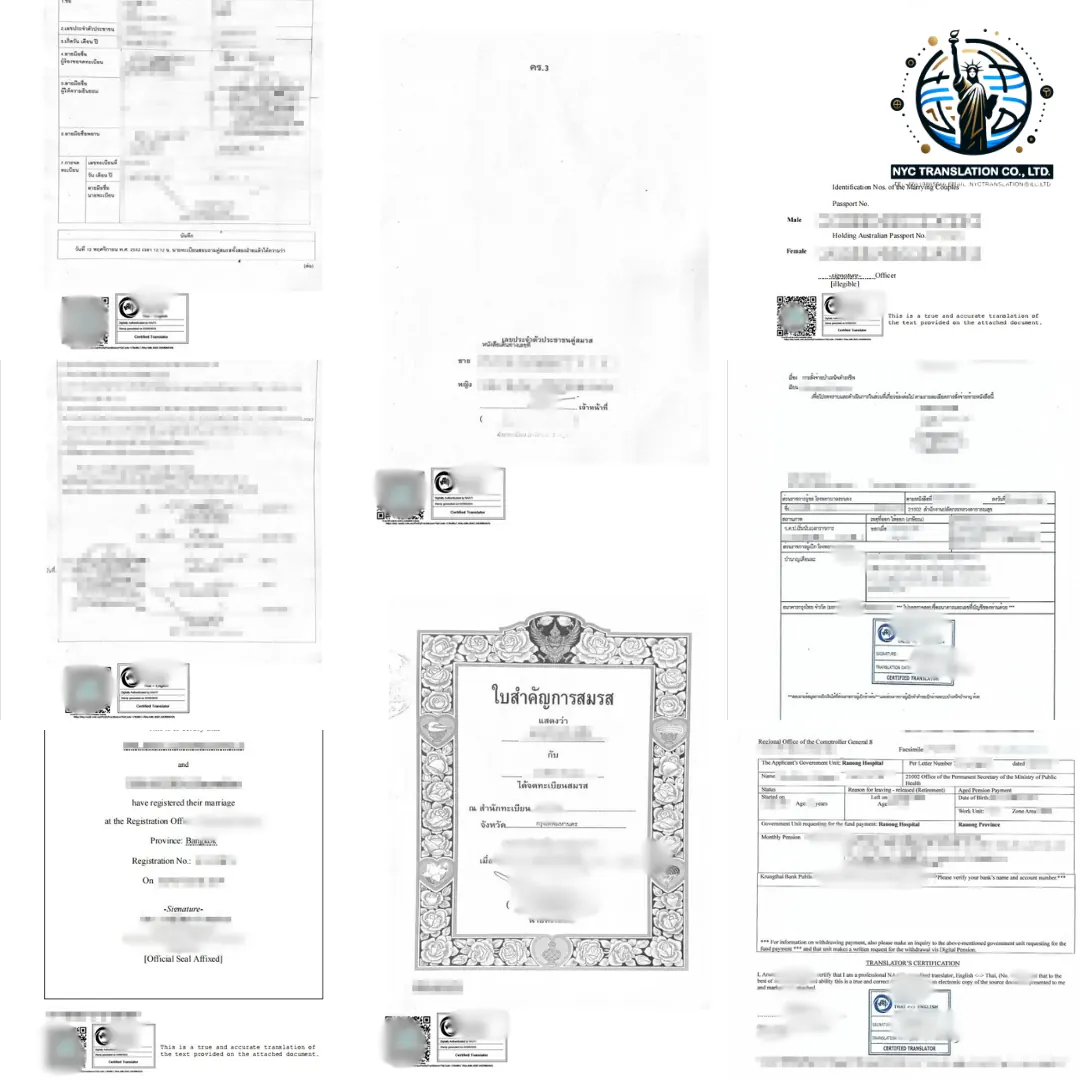
Real engagements published with client permission, including the document timeline step by step.
Real engagements published with client permission, including the document timeline step by step.
These pages describe our actual working process using material the client permitted us to publish. Decisions rest with the receiving authority in each case, so no approval outcome is guaranteed.
No published cases for this service yet — talk to our team for an assessment of your own case.
Common questions about NAATI-certified translation for Australian submissions, answered from the destination authority's published practice. (241+ search topics covered)
Need your documents reviewed or your case assessed? Ask our team by phone, LINE, or email. We reply during business hours (Mon–Fri 9:00–18:00, Sat 9:00–15:00, ICT).
A NAATI translation is not legalisation. Use in Thailand or a third country may still require translation certification or authentication under that authority's rules. Ask our team by phone, LINE or email to sequence the steps first.
Names on the translation must match the passport page you will submit rather than a fresh transliteration. Send a copy of the passport bio page with every order.
The Department of Home Affairs applies different rules: translations made in Australia must be done by a NAATI-certified translator, while translations made outside Australia must show the translator's full name, address, telephone number and qualifications on the translation.
NAATI is Australia's credentialing system for translators and interpreters and is mainly relevant to Australian authorities — visas, qualification assessment and professional registration. Other countries use their own systems, so verify the requirement before ordering.
If the original has been reissued or amended, the earlier translation no longer matches what you lodge. Always translate the exact version you will submit.
Seals, signatures, footnotes and reverse-side text are part of the document. Translations that omit them are commonly rejected.
NAATI certifies the translator's credential, not the document. Where the destination also requires consular authentication, that is a separate step.
If the name on the translation does not match the passport or other documents in the same application, the authority will ask for linking evidence such as a change-of-name certificate.
Requirements differ by authority and destination country and can change. Confirm current conditions with the receiving authority, or ask our team by phone, LINE or email.
One document set often moves through several stages — translation, notarial certification, legalization and finally a visa filing. The links below follow that real sequence.
Authority requirements change. Verify with the receiving authority before filing, or ask our team by phone, LINE or email.