ข้ามไปเนื้อหาหลัก / Skip to main content
N
NYC Visa.
Visa & Translation
Case studies

Education documents — case studies

Real engagements published with client permission, including the document timeline step by step.

These pages describe our actual working process using material the client permitted us to publish. Decisions rest with the receiving authority in each case, so no approval outcome is guaranteed.

No published cases for this service yet — talk to our team for an assessment of your own case.

Service Knowledge Base

Thai education documents — degrees, transcripts and certificates

Answers on translating and certifying Thai academic records — degree certificates, transcripts and school letters — for study applications, employment, professional licensing or credential evaluation abroad, including the MFA legalization chain and sealed-transcript requirements. (22+ search topics covered)

Can a foreign degree be recognised in Thailand for employment or further study?

Recognition is handled by the receiving body — the employer, the university, or the Ministry of Higher Education, Science, Research and Innovation (mhesi.go.th) for certain purposes. Documents normally need legalisation in the country of issue, translation into Thai, and certification of the translation. Recognition of academic level is a substantive decision by that body, and no service provider can guarantee the outcome.

What is a sealed or official transcript?

A transcript sent by the institution directly to the recipient in a sealed envelope or through its own secure portal. Many universities and credential evaluators accept only this form, and an externally certified copy cannot substitute for it.

Can you adjust anything on the transcript?

Never. We translate the source document exactly. Altering academic records is a criminal offence and would cause the whole bundle to be rejected.

How do I get a Thai degree verified for use by a foreign university?

The usual chain is: obtain the transcript and degree certificate from the issuing institution, have the institution confirm authenticity if the receiver asks for it, translate the documents, then submit for legalisation at the Department of Consular Affairs. Some receiving universities instead use a third-party credential evaluator and want documents sent directly by the issuing school. Ask the receiver which route it accepts before paying for legalisation.

My university already issues an English version. Do I still need a translation?

If the recipient accepts English and the version is issued by the institution with its seal and an authorised signature, it can normally enter the certification chain directly. A different required language or a mandated translator changes that.

Can plain photocopies be used?

No. The certification chain must reference originals or copies certified by the issuing institution. Request several institution-certified copies at the outset to avoid repeat trips.

Do foreign qualifications need to be recognised before use in Thailand?

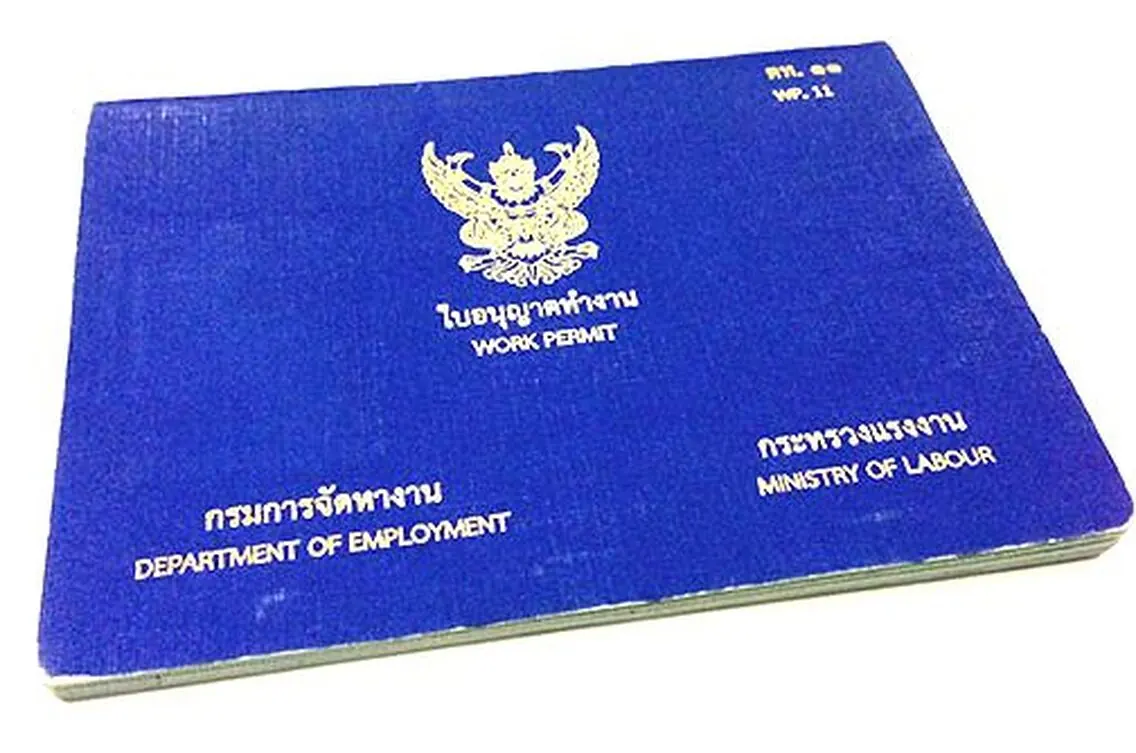
It depends on the purpose. For employment, the employer and the Department of Employment normally examine the qualification as part of the work permit file, while for further study or for professions with a licensing body, a separate recognition or equivalence assessment by the relevant Thai authority or professional council is usually required. In every case the foreign document itself must be authenticated in the country of issue and translated into Thai before a Thai body will consider it.

How are Thai degrees and transcripts certified for use abroad?

Obtain the copy issued or certified by the institution, translate it into the required language, legalise it at the Department of Consular Affairs, and if the destination requires it, have that country's embassy in Thailand attest it afterwards.
Topics covered
คำค้นหลัก: แปลปริญญาบัตร · แปลทรานสคริปต์ · รับรองวุฒิการศึกษาใช้ต่างประเทศ · certified translation transcript thailand · translate thai degree certificate · รับรองเอกสารการศึกษากรมการกงสุล · แปลใบรับรองการศึกษา
ปลายทางการใช้งาน: ยื่นสมัครเรียนต่อต่างประเทศ · ยื่นขอใบอนุญาตประกอบวิชาชีพต่างประเทศ · ยื่นประเมินวุฒิ WES · ยื่น ENIC-NARIC · ยื่นวีซ่านักเรียน · ยื่นสมัครงานต่างประเทศ
รูปแบบเอกสารที่ปลายทางกำหนด: official sealed transcript · เอกสารส่งตรงจากมหาวิทยาลัย · แปลโดยนักแปล NAATI · certified true copy วุฒิการศึกษา · ฉบับภาษาอังกฤษจากสถานศึกษา
Official references

Need your documents reviewed or your case assessed? Ask our team by phone, LINE, or email. We reply during business hours (Mon–Fri 9:00–18:00, Sat 9:00–15:00, ICT).
Staff advising a client on the documents required
Staff advising a client on the documents requiredFrom actual casework by the NYC Visa & Translation team
Practical Q&A

Practical questions · Near me / DIY / Required documents

Is there a service point near me?

Our main offices are Lat Phrao 95 (Bangkok), Khon Kaen and Udon Thani. We serve the whole country through scans and document courier, and can meet at city rail stations or malls. Ask our team by phone, LINE or email for the most convenient option.

Can I handle this myself?

Many steps can be done personally under the relevant authority's rules. What usually costs time is the wrong sequence, a translation format that does not match the requirement, or a source document version the recipient will not accept. Check the destination checklist before starting and ask us if anything is unclear.

Which documents should I prepare?

Generally the original document from the competent authority, the owner's ID or passport, a translation in the format the destination requires, and a power of attorney if someone acts for you. Details vary by service type — ask our team for a case-specific checklist.
Practical advice & cautions

Expat, relocation and education: advice and cautions

Before you start
  • Sequence documents before booking flights or signing a lease

    Visas, work permits, housing and school places are interdependent. Start with the longest-lead document to avoid schedule clashes.

  • Meet Thai address-notification and reporting duties

    Long-stay visa holders must report periodically as required by the Immigration Bureau, and house owners must notify the stay of foreign nationals. Set reminders in advance.

  • Request English-language academic records from the institution

    Transcripts issued in English by the awarding institution often reduce translation steps, though legalisation may still be required abroad.

  • Check the destination's credential-recognition rules

    Assessment bodies and accepted certification formats differ by country. Read the receiving institution's requirements before choosing apostille or embassy legalisation.

Common reasons documents get rejected
  • Missing reporting or accommodation-notification deadlines

    Missed reports can carry legal consequences and affect the next extension even when other documents are complete.

  • Assuming a long-stay visa includes work rights

    Several categories do not grant work rights automatically; a work permit or programme-specific authorisation is required before starting work.

  • Translating qualification titles inconsistently

    Degree or subject names that differ from the institution's official wording can trigger extra requests or refusal by assessment bodies.

  • Starting legalisation too close to the deadline

    Multi-agency, cross-border certification has variable timelines. Late starts are a common cause of missed intakes.

Requirements differ by authority and destination country and can change. Confirm current conditions with the receiving authority, or ask our team by phone, LINE or email.

Related services

What clients usually handle next

One document set often moves through several stages — translation, notarial certification, legalization and finally a visa filing. The links below follow that real sequence.

External authority references

Authority requirements change. Verify with the receiving authority before filing, or ask our team by phone, LINE or email.