Answers to the questions Thailand-based applicants actually ask about US visas (DS-160 plus interview), UK visas (online application plus biometrics) and Schengen visas (main-destination rule, 90/180 rule) — including the most common refusal grounds and how Thai civil documents must be translated and legalised by the Department of Consular Affairs first. Based on travel.state.gov, GOV.UK and the EU Visa Code. (30+ search topics covered)
How do I apply for a US visa from Thailand?
Complete form DS-160 online in the US Department of State CEAC system, pay the fee through the designated channel, book an interview at the US Embassy Bangkok or the Consulate General in Chiang Mai depending on your district, then attend the interview and biometrics appointment. Only a US consular officer decides the case; no document agency can approve a visa or shorten the queue.
Is there an interview for a UK visa?
For a Standard Visitor visa there is normally no interview as a standard step. You apply online on GOV.UK and give biometrics at a visa application centre. UKVI decides on the documents and the credibility of the application, though it may call an applicant for interview in specific cases.
How is the Schengen 90/180 rule calculated?
A short-stay Schengen visa allows a total of 90 days within any rolling 180-day period, counted backwards from any given day inside the area — it does not reset on a calendar basis. Frequent travellers should check remaining days with the European Commission's official short-stay calculator before booking.
How must Thai documents be prepared before submission?
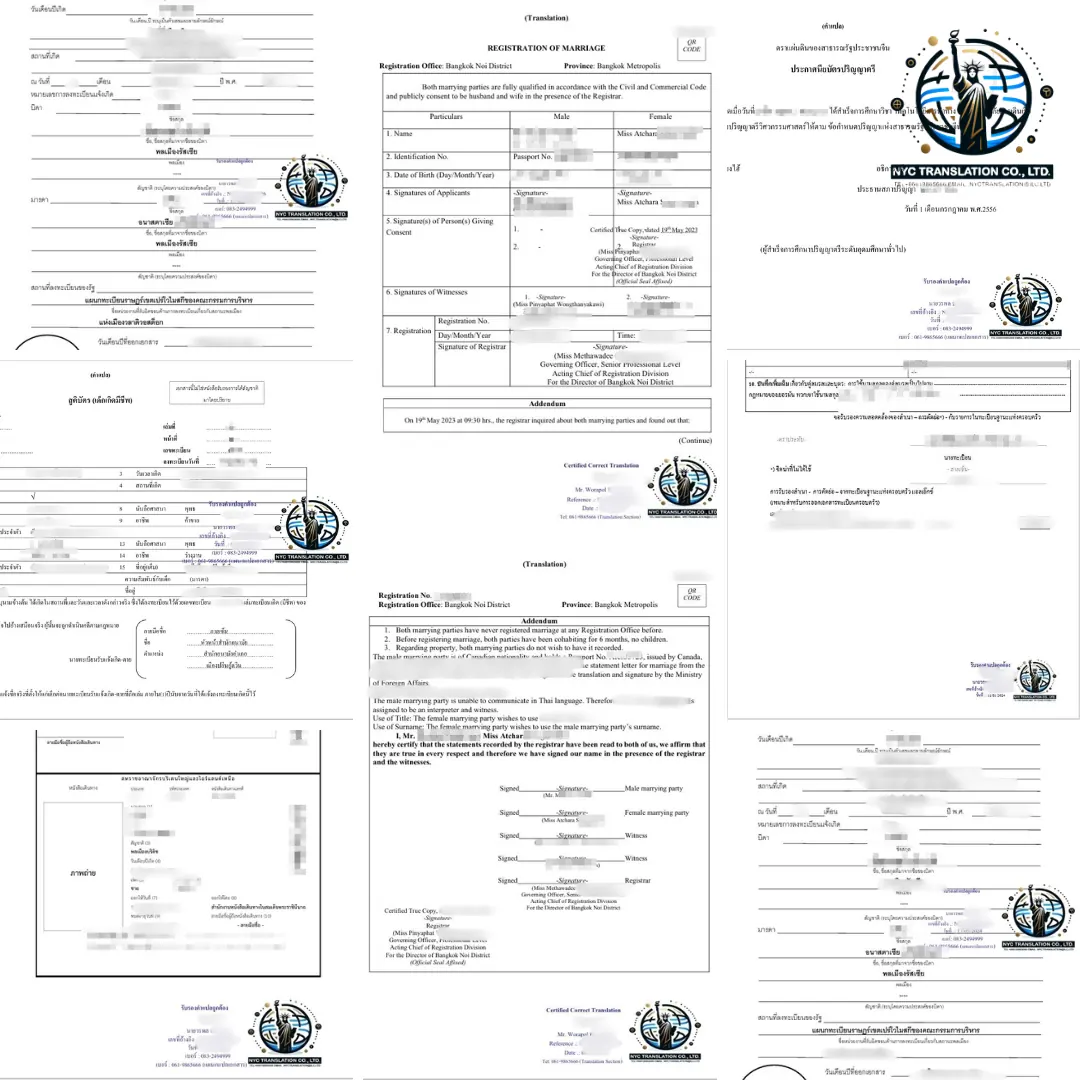
Thai civil documents such as the house registration, birth certificate and marriage certificate usually need translation into English or the destination language, then legalisation by the Department of Consular Affairs, Ministry of Foreign Affairs. Depending on the destination, an Apostille under the Hague Convention or destination-embassy attestation may follow. Confirm the exact list with the receiving authority before starting.
Which country should receive my Schengen application?
File with the state of your main destination, judged by the purpose of travel and the greatest number of nights. Where nights are equal across states, file with the state of first entry. Filing with the wrong state can lead to return or refusal. Some states delegate representation to another member state in Thailand, and intake is usually handled by an appointed application centre, which has no decision-making power.
What counts as evidence of ties to Thailand?
Documents showing why you will return: an employer letter stating position, length of service and approved leave dates; recent payslips; title deeds or a lease; vehicle registration; family obligations such as children's birth certificates; and for business owners, company registration records and tax filings. Many consulates weigh this group heavily because they assess overstay risk rather than wealth alone.
What travel insurance is required?
Requirements differ by destination. Schengen applications require travel medical insurance covering emergency treatment and repatriation, meeting a minimum cover amount and valid for the whole intended stay in the Schengen area. The policy must name the insured exactly as in the passport and span all travel dates, including departure and return. Verify the current terms with the deciding consulate before purchasing.
Who actually decides my visa application, and what can a service provider do?
The decision belongs solely to the consular authority of the destination country; no private provider participates in it or can influence timing. What a provider can do is make the file complete, internally consistent and formatted the way that mission requires, ensure translations are certified through the correct chain, and prepare the applicant for the interview. Any claim to guarantee approval or to shorten official processing should be treated as a warning sign.
เอกสารไทยที่ต้องแปล/รับรองก่อนยื่น: แปลทะเบียนบ้านยื่นวีซ่า · แปลสูติบัตรรับรองกงสุล · แปลทะเบียนสมรสยื่นวีซ่า · แปลหนังสือรับรองการทำงาน · แปลสเตทเมนต์ธนาคาร · หนังสือยินยอมให้เด็กเดินทาง · Apostille เอกสารไทย · ตรวจประวัติอาชญากรรมยื่นวีซ่า
วีซ่าสหรัฐอเมริกา: DS-160 กรอกอย่างไร · วีซ่า B1/B2 คนไทย · สัมภาษณ์วีซ่าอเมริกา · 214(b) ปฏิเสธวีซ่า · หลักฐานความผูกพันกับประเทศไทย · นัดสัมภาษณ์สถานทูตสหรัฐฯ กรุงเทพ · วีซ่านักเรียน F-1 ไทย · administrative processing 221(g)
วีซ่าสหราชอาณาจักร: UK Standard Visitor visa · ยื่นวีซ่าอังกฤษออนไลน์ GOV.UK · biometrics VFS อังกฤษ · maintenance funds วีซ่า UK · sponsor letter อังกฤษ · UK student visa CAS · วีซ่าอังกฤษถูกปฏิเสธ credibility
Need your documents reviewed or your case assessed? Ask our team by phone, LINE, or email. We reply during business hours (Mon–Fri 9:00–18:00, Sat 9:00–15:00, ICT).