Sertifikat Pengalaman Kerja — DSD / Kemenaker
Verifikasi pengalaman kerja di Thailand untuk lisensi keterampilan luar negeri, imigrasi atau visa.
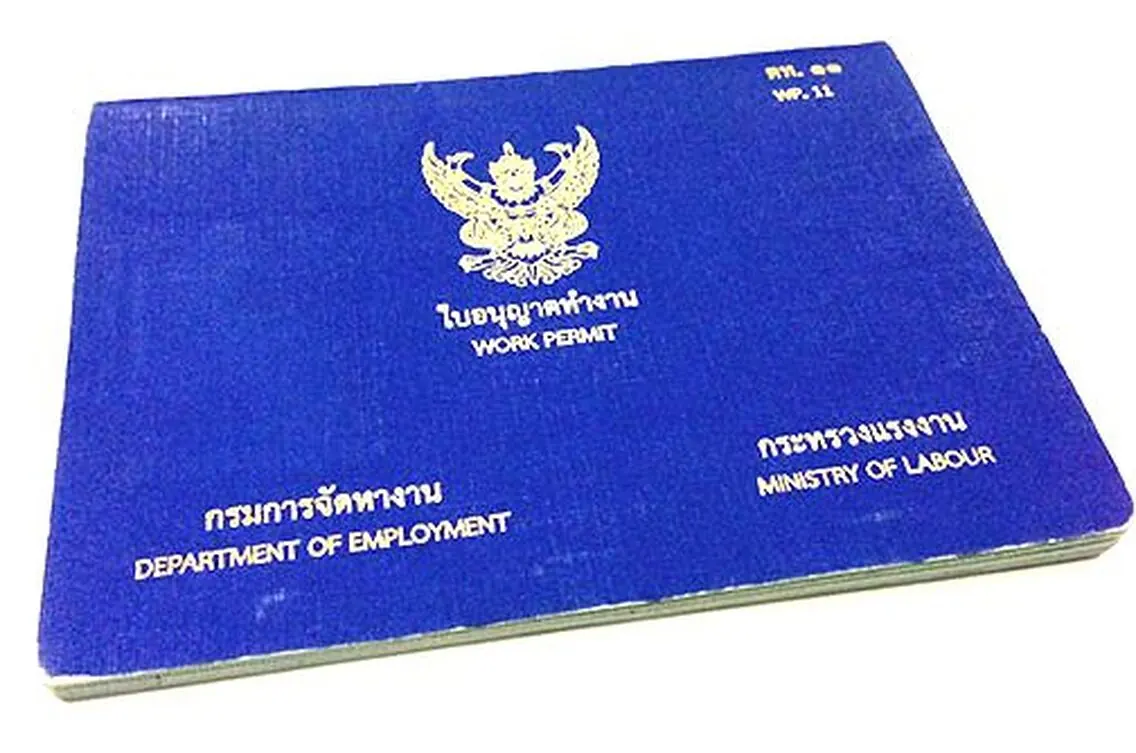
NYC Visa membantu memperoleh Sertifikat Pengalaman Kerja Thailand dari Department of Skill Development (DSD) dan Kementerian Tenaga Kerja — untuk lisensi keterampilan, imigrasi atau visa berbasis keahlian.
Mengapa memilih layanan kami
- Surat dari pemberi kerja
- Pengajuan formulir DSD
- Terjemahan + notaris
- Terhubung legalisasi MFA
- Legalisasi kedutaan
Pertanyaan yang sering diajukan
Siapa yang membutuhkan?
Pelamar kerja/lisensi/PR ke luar negeri.
Waktu proses?
DSD memproses 7–14 hari kerja.
Perlu visa/work permit?
Ya, harus ada bukti bekerja sah di Thailand.
Referensi resmi
Informasi di atas mengacu pada prosedur terkini lembaga Thailand dan dapat berubah. Rujuk halaman resmi berbahasa Inggris.
Basis pengetahuan: terjemahan, legalisasi, dan visa di Thailand
Jawaban dasar tentang legalisasi, penerjemahan, dan proses visa di Thailand sesuai aturan Departemen Konsuler dan Lawyers Council. Biaya diinformasikan per kasus melalui telepon, LINE, atau email. (16+ search topics covered)
Bisakah semuanya diurus dari luar negeri?
Cukup hasil pindai atau harus kirim dokumen asli?
Apa dampak Apostille bagi Thailand?
Dokumen apa yang paling sering dilegalisasi?
Apakah ijazah Thailand diakui?
Apakah rekening koran perlu diterjemahkan untuk visa?
Dokumen perlu diterjemahkan ke bahasa apa?
Apa syarat menikah di Thailand?
- กองสัญชาติและนิติกรณ์ กรมการกงสุล กระทรวงการต่างประเทศ — หน่วยงานรับรองนิติกรณ์เอกสาร (legalization) ของประเทศไทย
- กระทรวงการต่างประเทศ (MFA Thailand)
- HCCH – Apostille Section (อนุสัญญากรุงเฮก 1961) — รายชื่อรัฐภาคีและสถานะการใช้ Apostille
- กรมการปกครอง (DOPA) — ทะเบียนราษฎร ทะเบียนสมรส/หย่า และหนังสือรับรองสถานภาพ
Need your documents reviewed or your case assessed? Ask our team by phone, LINE, or email. We reply during business hours (Mon–Fri 9:00–18:00, Sat 9:00–15:00, ICT).
We do not just process documents — we advise you through the whole case
Our team has worked on cross-border documents, certified translation and government liaison for over 15 years. Most rejections we see are not caused by missing paperwork but by choosing the wrong route on day one, so we always start with a case assessment.
Route assessment
We look at your destination, purpose and deadline, then tell you which certification route applies — and which steps you can skip.
Pre-submission review
Name spelling, consistency across documents, document age and translation format are checked before anything reaches a counter.
Timeline planning
We sequence the steps around your appointment or travel date and flag bottlenecks in advance.
Rejection recovery
We read the refusal reasons, identify the underlying cause, and plan a resubmission that answers what the authority asked for.
Rather not learn by trial and error? Send your case details and document photos for a review — reach us on LINE, phone or email during business hours.
คำถามเชิงปฏิบัติ · ใกล้ฉัน / ทำเองได้ไหม / ใช้เอกสารอะไร
มีจุดให้บริการใกล้ฉันไหม
ดำเนินการเองได้ไหม
ต้องเตรียมเอกสารอะไรบ้าง
Legalization & apostille: practical advice and cautions
Keep a scanned backup at every stage
Photograph or scan every page before submission and again after each stamp, so you have a reference if a document is lost in transit.
Separate public documents from private ones
Public records such as house registration, birth and marriage certificates enter the certification chain directly. Private documents such as powers of attorney, affidavits and contracts must first be attested by a Notarial Services Attorney.
Allow for each step's queue
Total turnaround depends on the current workload of the consular office and of the destination embassy. Plan ahead rather than against a tight travel date; we can give a case-specific range by phone, LINE or email.
Check whether the destination is an Apostille Convention party
For member states the chain ends with an apostille and no embassy step is needed. For non-member states the document must continue through the destination country's embassy. Verify the current member list on the HCCH website.
Opening a bound and sealed bundle
Bundles sealed across the binding must never be separated. Removing the staple voids the certification and the whole set has to be redone.
Ignoring the required translation language
Some countries accept only translations into their own official language, not English. Certifying an English translation first can mean repeating the entire chain.
Assuming a Thai lawyer is a common-law notary public
Thailand has no common-law notary public. The equivalent role is a Notarial Services Attorney registered with the Lawyers Council of Thailand. Describing it incorrectly can cause the receiving party to reject the document.
Mixing both routes
Requesting an apostille and an embassy legalization at the same time when only one is required wastes time and can raise questions at the destination. Pick the single route that matches the destination's convention status.
Requirements differ by authority and destination country and can change. Confirm current conditions with the receiving authority, or ask our team by phone, LINE or email.
Frequently searched topics about legalisation
- Company documents for overseas use
- Obtain a recent certified extract of company records before beginning translation and legalisation.
- Apostille versus embassy legalisation
- Which route applies depends on whether the destination country is a party to the Apostille Convention.
- Foreign documents for use in Thailand
- They must first be certified in the issuing country, then translated and legalised in Thailand.
- Legalisation by the Department of Consular Affairs
- Document legalisation in Thailand is handled by the Legalization Division, Department of Consular Affairs, MFA.
These topics reflect the rules and practice of the relevant authorities and can change. Confirm with the receiving authority, or ask our team by phone, LINE or email.
งานที่ลูกค้ามักทำต่อจากหน้านี้
เอกสารหนึ่งชุดมักต้องผ่านหลายขั้น ตั้งแต่แปล รับรองลายมือชื่อ นิติกรณ์ ไปจนถึงการยื่นวีซ่า ลิงก์ด้านล่างคือขั้นตอนที่มักต่อเนื่องกันจริงในทางปฏิบัติ
- รับรองลายมือชื่อและเอกสารโดยทนายความ (Notarial Services)รับรองลายมือชื่อ สำเนาถูกต้อง คำสาบาน และหนังสือมอบอำนาจ สำหรับใช้ต่อในต่างประเทศ
- แปลเอกสารรับรอง ทุกภาษาคำแปลสำหรับยื่นราชการไทยและต่างประเทศ พร้อมหนังสือรับรองคำแปล
- แปลเอกสารโดยนักแปล NAATI (ออสเตรเลีย/นิวซีแลนด์)คำแปลที่หน่วยงานออสเตรเลียยอมรับ พร้อมตราประทับนักแปลที่ได้รับการรับรอง
- จดทะเบียนสมรสไทย–ต่างชาติหนังสือรับรองโสด รับรองสถานทูต และจดทะเบียนที่สำนักงานเขต
- หนังสือรับรองความประพฤติ (Police Clearance)ยื่นกองบัญชาการตำรวจสันติบาล พร้อมแปลและรับรองต่อ
- วีซ่าต่างประเทศสำหรับคนไทยเตรียมเอกสาร นัดหมายสถานทูต และตรวจแฟ้มก่อนยื่น
- กองสัญชาติและนิติกรณ์ กรมการกงสุล กระทรวงการต่างประเทศ — หน่วยงานรับรองนิติกรณ์เอกสาร (legalization) ของประเทศไทย
- กระทรวงการต่างประเทศ (MFA Thailand)
- HCCH – Apostille Section (อนุสัญญากรุงเฮก 1961) — รายชื่อรัฐภาคีและสถานะการใช้ Apostille
- กรมการปกครอง (DOPA) — ทะเบียนราษฎร ทะเบียนสมรส/หย่า และหนังสือรับรองสถานภาพ
ระเบียบของแต่ละหน่วยงานเปลี่ยนแปลงได้ กรุณาตรวจสอบกับหน่วยงานผู้รับเอกสารก่อนยื่น หรือสอบถามเจ้าหน้าที่ของเราทางโทรศัพท์ LINE หรืออีเมล
แนะนำบริการแปลเอกสาร: เลือกอย่างไรให้ผ่านตั้งแต่ครั้งแรก
การเลือกผู้ให้บริการแปลเอกสารควรดูที่ปลายทางเป็นหลัก ถ้าเอกสารต้องยื่นกรมการกงสุลหรือสถานทูต ผู้แปลต้องเข้าใจรูปแบบที่หน่วยงานนั้นรับ ไม่ใช่แค่แปลถูกความหมาย ตรวจสามข้อคือ ผู้แปลระบุชื่อและรับรองคำแปลได้จริง ปลายทางยอมรับรูปแบบคำแปลนั้น และมีการทวนชื่อ วันเดือนปี เลขเอกสารตรงกับต้นฉบับทุกตัวอักษร
เกณฑ์เลือกผู้ให้บริการ
- ผู้แปลรับรองคำแปลในนามที่ระบุตัวตนได้ — กรมการกงสุลและสถานทูตหลายแห่งดูว่าใครเป็นผู้รับรองคำแปล ไม่ใช่แค่เนื้อหา
- รู้รูปแบบที่ปลายทางรับ — แต่ละสถานทูตกำหนดรูปแบบต่างกัน เช่น ต้องแนบสำเนาต้นฉบับ ต้องมีหัวจดหมาย หรือต้องผ่านกงสุลก่อน
- ทวนข้อมูลตัวอักษรต่อตัวอักษร — สาเหตุตีกลับที่พบมากที่สุดคือสะกดชื่อและวันเดือนปีไม่ตรงกับหนังสือเดินทาง
- รับผิดชอบการแก้ไขเมื่อถูกตีกลับ — งานยื่นเอกสารมีกำหนดนัด การแก้ไขล่าช้าคือค่าเสียโอกาสของผู้ยื่น
- เก็บต้นฉบับอย่างปลอดภัยและส่งคืนครบ — เอกสารทะเบียนราษฎรบางรายการออกใหม่ยาก ต้องมีระบบรับ-คืนที่ตรวจสอบได้
คำถามที่ควรถามก่อนตัดสินใจ
- ระยะเวลาทำการจริงกี่วันทำการ นับจากวันที่ได้รับเอกสารครบ
- ถ้าหน่วยงานปลายทางตีกลับหรือขอแก้ไข มีการแก้ไขให้หรือไม่ และในเงื่อนไขใด
- ติดตามสถานะงานได้อย่างไร และใครเป็นผู้รับผิดชอบเอกสารตัวจริง
- คำแปลนี้จะถูกรับรองโดยใคร และจะระบุชื่อผู้รับรองไว้ในเอกสารหรือไม่
- ปลายทางที่ผมจะยื่น ต้องผ่านกงสุลหรือสถานทูตต่อหรือไม่
ทางเลือกที่มี และเหมาะกับใคร
| ทางเลือก | เหมาะกับ | ข้อควรรู้ |
|---|---|---|
| แปลเอง / ใช้เครื่องมือแปล | เอกสารอ่านประกอบภายใน ไม่ต้องยื่นหน่วยงาน | หน่วยงานราชการและสถานทูตส่วนใหญ่ไม่รับคำแปลที่ไม่มีผู้รับรอง |
| ผู้ให้บริการแปลทั่วไป | เอกสารธุรกิจ คู่มือ เว็บไซต์ ที่เน้นความถูกต้องด้านภาษา | อาจไม่คุ้นรูปแบบเฉพาะของกงสุล/สถานทูต ทำให้ต้องแก้รอบสอง |
| ผู้ให้บริการที่ทำครบสายถึงปลายทาง | เอกสารที่ต้องผ่านกงสุล สถานทูต หรือใช้ยื่นวีซ่า | ควรยืนยันให้ชัดว่าดำเนินการต่อถึงขั้นใด และใครเดินเรื่อง |
คำถามที่พบบ่อยเรื่องการเลือกผู้ให้บริการ
- แนะนำแปลเอกสารที่ไหนดี ดูจากอะไร
- ดูจากปลายทางของเอกสารก่อนเสมอ ถ้าต้องยื่นกรมการกงสุลหรือสถานทูต ให้เลือกผู้ให้บริการที่ระบุได้ว่าคำแปลจะถูกรับรองโดยใคร ปลายทางรับรูปแบบนั้นจริง และมีขั้นตอนทวนชื่อ-วันเดือนปีกับหนังสือเดินทางก่อนส่งงาน
- คำแปลที่ไม่มีผู้รับรอง ใช้ยื่นได้ไหม
- โดยทั่วไปไม่ได้ หน่วยงานราชการไทยและสถานทูตส่วนใหญ่กำหนดให้คำแปลมีผู้รับรองที่ระบุตัวตนได้ ควรตรวจข้อกำหนดของหน่วยงานปลายทางก่อนเริ่มแปล
แหล่งอ้างอิงทางการ
- U.S. Department of State – Bureau of Consular Affairs — DS-160 และหลักเกณฑ์ INA 214(b)
- UK Government – Visas and immigration (GOV.UK)
- European Commission – Visa policy (Schengen)
- กองสัญชาติและนิติกรณ์ กรมการกงสุล กระทรวงการต่างประเทศ — หน่วยงานรับรองนิติกรณ์เอกสาร (legalization) ของประเทศไทย
ข้อมูลบนหน้านี้อ้างอิงประกาศของหน่วยงานราชการด้านล่าง หลักเกณฑ์อาจเปลี่ยนแปลงได้ โปรดตรวจสอบกับหน่วยงานผู้มีอำนาจก่อนยื่นเสมอ