Case studies
Interpreter services — case studies
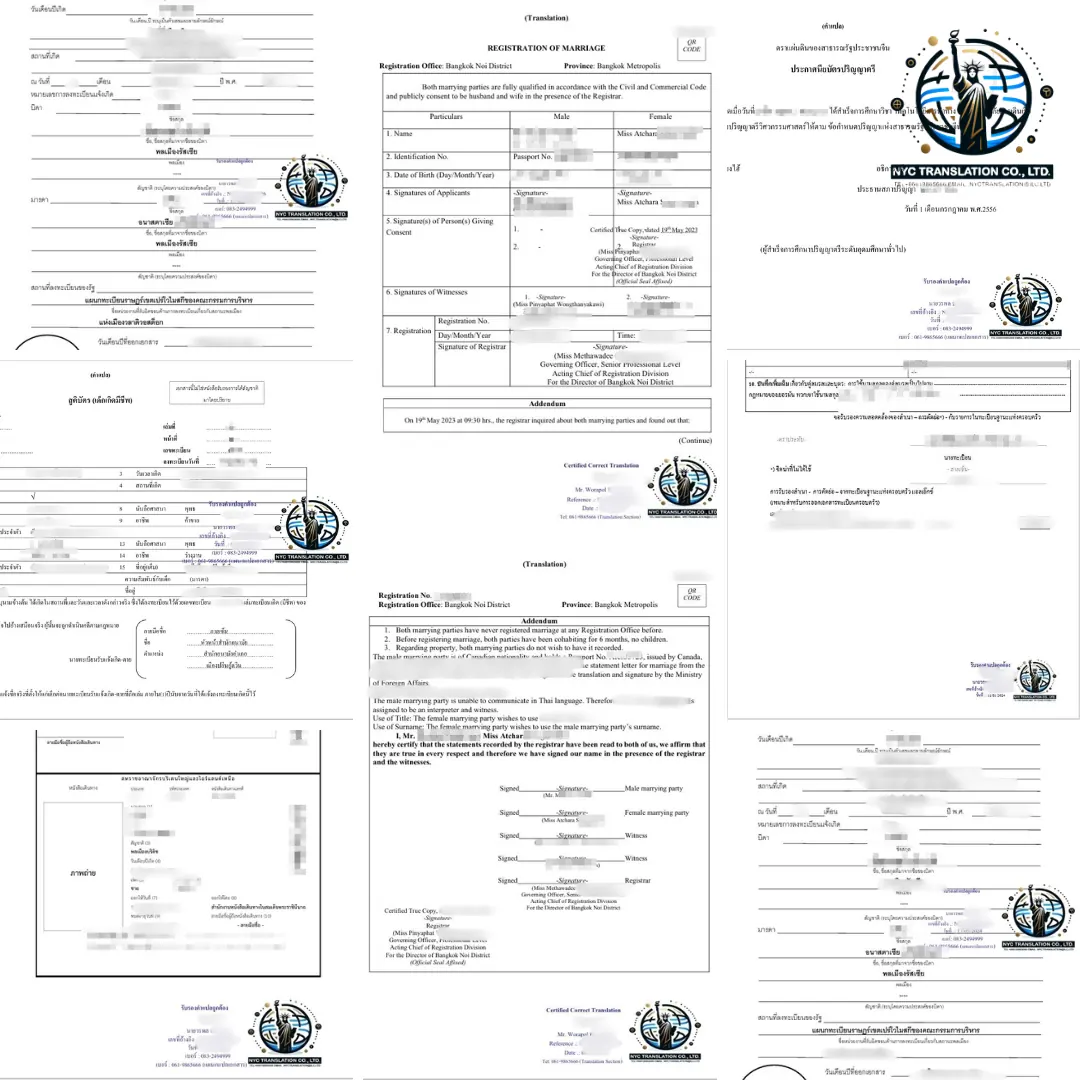
Real engagements published with client permission, including the document timeline step by step.
Real engagements published with client permission, including the document timeline step by step.
These pages describe our actual working process using material the client permitted us to publish. Decisions rest with the receiving authority in each case, so no approval outcome is guaranteed.
No published cases for this service yet — talk to our team for an assessment of your own case.
Answers on booking on-site interpreters in Thailand for court hearings, district-office registrations, land-office transactions, embassy appointments, immigration interviews and business meetings, including statutory requirements and preparation. (25+ search topics covered)
Need your documents reviewed or your case assessed? Ask our team by phone, LINE, or email. We reply during business hours (Mon–Fri 9:00–18:00, Sat 9:00–15:00, ICT).
Some district offices, courts and embassies set qualification or identification requirements for interpreters. Confirm with them before the appointment and tell us, so we assign someone who meets the criteria.
District offices, courts and immigration offices have unpredictable queues. Book a buffer rather than stacking appointments on the same day.
Short meetings, interviews and urgent calls can be handled over phone or video, saving travel time. Test the connection and equipment at least 15 minutes before the start.
Assignments longer than half a day or with several simultaneous speakers may need more than one interpreter to maintain quality. Share this when booking.
An interpreter conveys speech completely and neutrally; they do not give legal opinions or negotiate for you. Engage a lawyer alongside if advice is needed.
Languages with few interpreters in Thailand require longer lead time. Last-minute requests may simply have no available interpreter.
Unannounced postponements waste the booked slot and may incur cancellation terms. Notify us as soon as a change is known.
Visa interviews and certain formal examinations require the applicant to answer personally; the interpreter only conveys language.
Requirements differ by authority and destination country and can change. Confirm current conditions with the receiving authority, or ask our team by phone, LINE or email.
These topics reflect the rules and practice of the relevant authorities and can change. Confirm with the receiving authority, or ask our team by phone, LINE or email.
One document set often moves through several stages — translation, notarial certification, legalization and finally a visa filing. The links below follow that real sequence.
Authority requirements change. Verify with the receiving authority before filing, or ask our team by phone, LINE or email.